Build a Marble Run on Your Wall: The Family Engineering Challenge That Changes How Kids Think
What if the most powerful engineering lesson your child gets this week happens with nothing but cardboard tubes, painter’s tape, and a wall? A marble run sounds like simple fun. But watch a child spend twenty minutes adjusting the angle of a tube because the marble keeps stopping — and you will see something more important: a young engineer learning to ask “what if?” instead of “why isn’t this working?”
The Physics You Can Hold in Your Hand
A marble run is a masterclass in physics without a single worksheet. As children position tubes at different angles, connect sections, and test the path of a rolling marble, they are experimenting with gravity, momentum, speed, and friction — concepts that typically appear in secondary school curricula. But when a child feels the difference between a steep slope and a gentle curve, those concepts become intuitive long before they become vocabulary words. This is exactly the kind of learning that cannot be replicated through a screen or a textbook.
The Real Lesson Is in the Failing
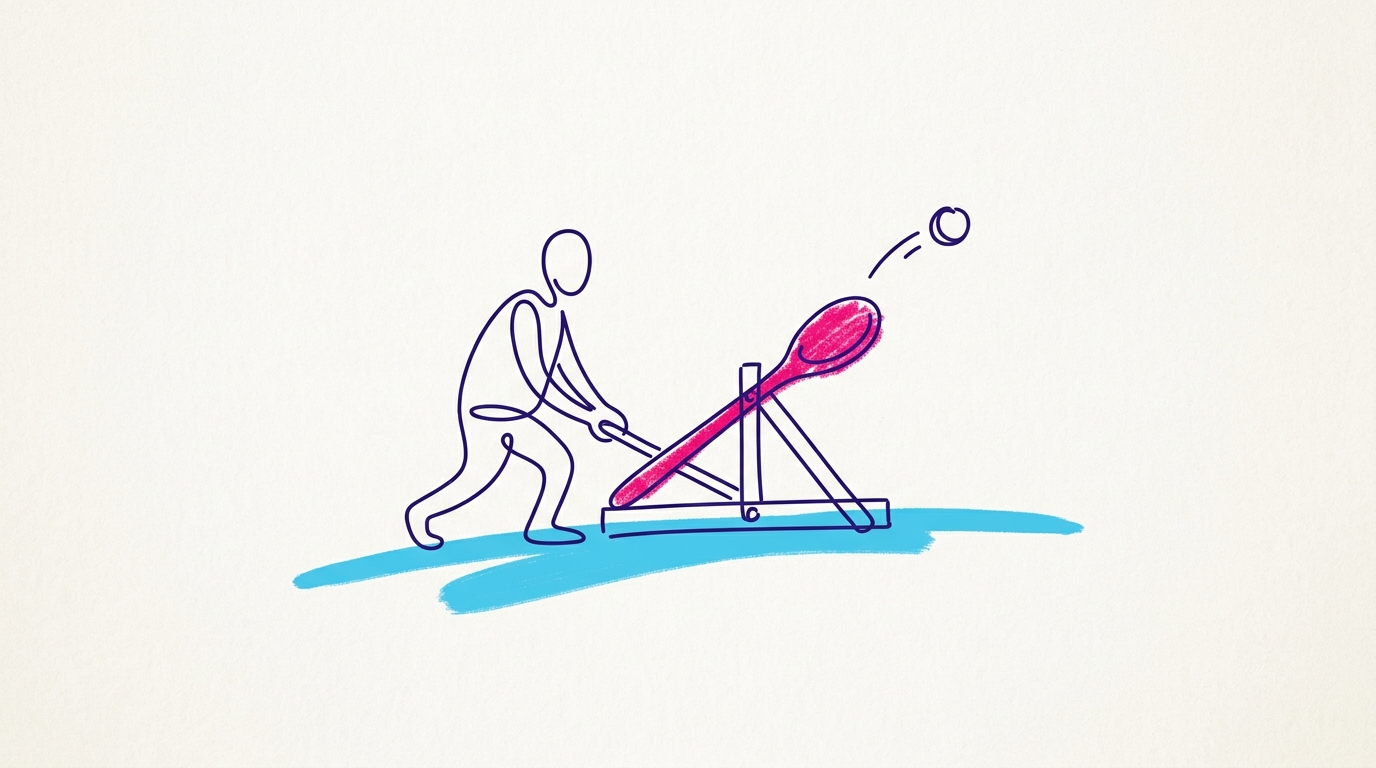
The most valuable moment in a marble run project is not when it works. It is when it fails. When a marble shoots off a ramp instead of flowing smoothly onto the next section, a child must observe, hypothesise, adjust, and try again. This cycle — design, test, improve — is the foundation of engineering thinking. Research consistently shows that hands-on projects which encourage trial and error build resilience and adaptive thinking in ways that passive instruction simply cannot replicate. The challenge is not to build the perfect run on the first attempt. It is to keep going when it does not work.
Practical Tips to Get Started
- Start small: three connected tubes is enough for the first run. Complexity grows naturally from there.
- Use painter’s tape to reposition sections without damaging walls — the whole track should feel modifiable.
- Introduce a challenge once the basic run works: can you slow the marble down? Add a loop? Make it travel through a box?
- Resist the urge to fix it for them. A ten-minute struggle with a tricky corner is worth more than a smooth run you built for them.
- Adapt by age: for younger children (5–8), focus on connecting sections cleanly. For older ones (9+), introduce timing — whose marble reaches the bottom fastest?
Learning That Sticks
What makes a marble run so effective is how naturally it mirrors the way engineers actually work: you build something, test it, find the weak point, and improve. That iterative mindset — the willingness to try again with a small change rather than giving up — is one of the most transferable skills a child can develop. It shows up in robotics, in sport, in creative writing, and eventually in professional life. The cardboard and tape are just the beginning.
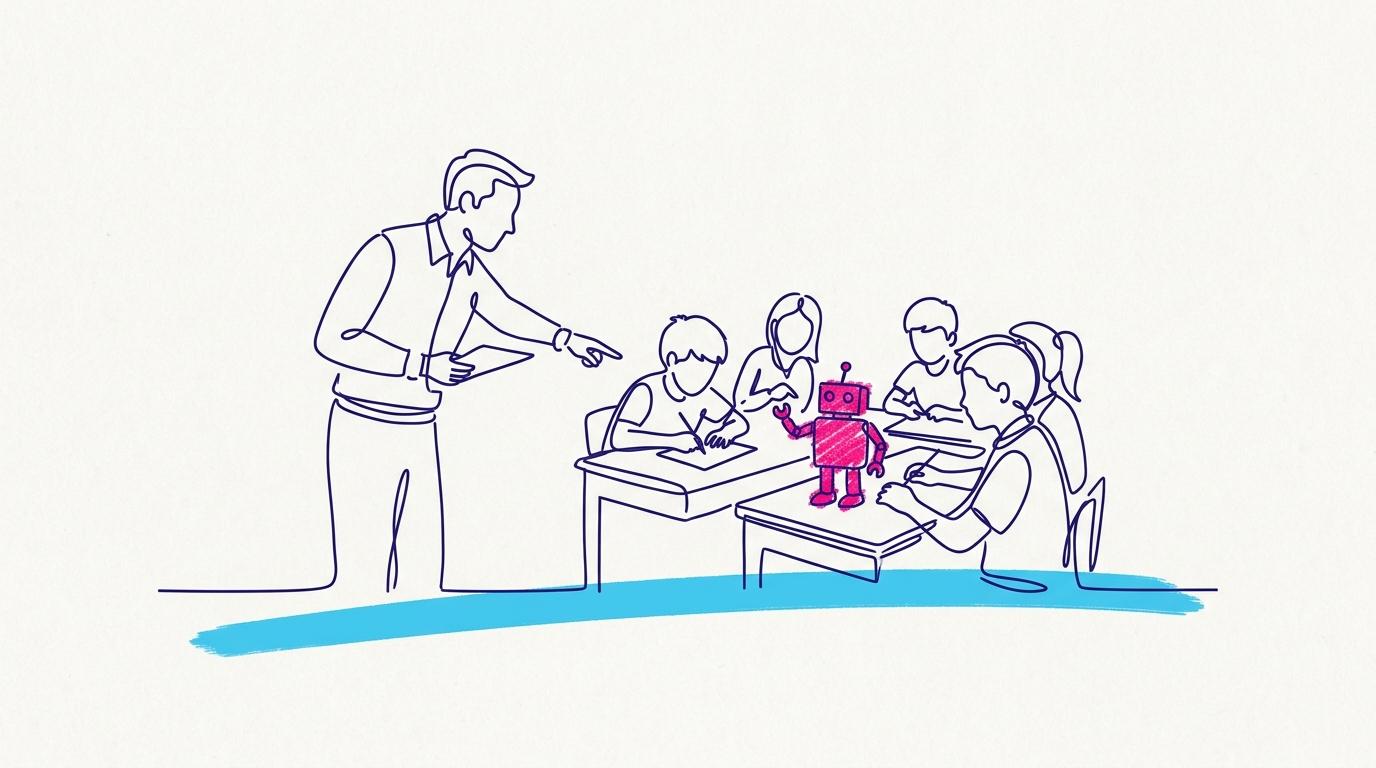
At TokyLabs, this spirit of hands-on, open-ended exploration is at the heart of everything we do. Our after-school robotics sessions bring children into exactly these kinds of challenges — building, testing, improving, and discovering that the best learning happens when the answer is not given in advance. If your child’s school is curious about bringing structured, screen-free engineering thinking into the classroom, our team would love to share how Tokymini makes that possible, even for teachers with no prior robotics experience.
Make Your Business Online By The Best No—Code & No—Plugin Solution In The Market.
30 Day Money-Back Guarantee
Say goodbye to your low online sales rate!