Why Critical Thinking Is the Most Important Skill You Can Give Your Child in the Age of AI
Your child is growing up in a world where artificial intelligence can answer almost any question in seconds. But here is what AI still cannot do: think for your child. The real advantage in tomorrow’s world is not having the right answers — it’s knowing how to ask the right questions, evaluate information, and make thoughtful decisions. Critical thinking is not a bonus skill anymore. It is the foundation.
What Critical Thinking Really Means for Kids
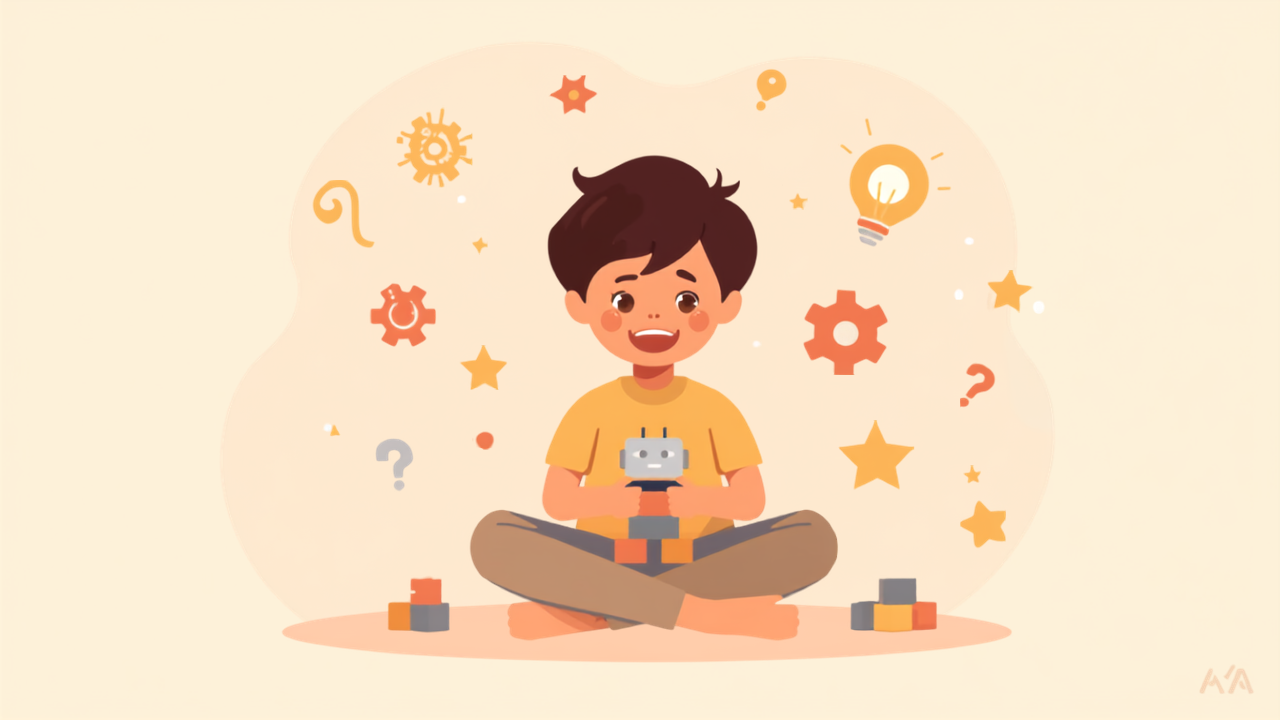
Critical thinking is the ability to analyze a situation, weigh evidence, and reach a reasoned conclusion — rather than simply accepting the first answer that appears. For children, this looks like questioning why something works the way it does, testing ideas, making mistakes, and trying again. It is less about raw intelligence and more about how a child approaches a problem.
Research consistently shows that children who develop critical thinking skills early become more confident decision-makers, stronger communicators, and more adaptable learners. The good news? These skills are not taught through lectures. They are built through doing.
How Hands-On Learning Builds Young Thinkers
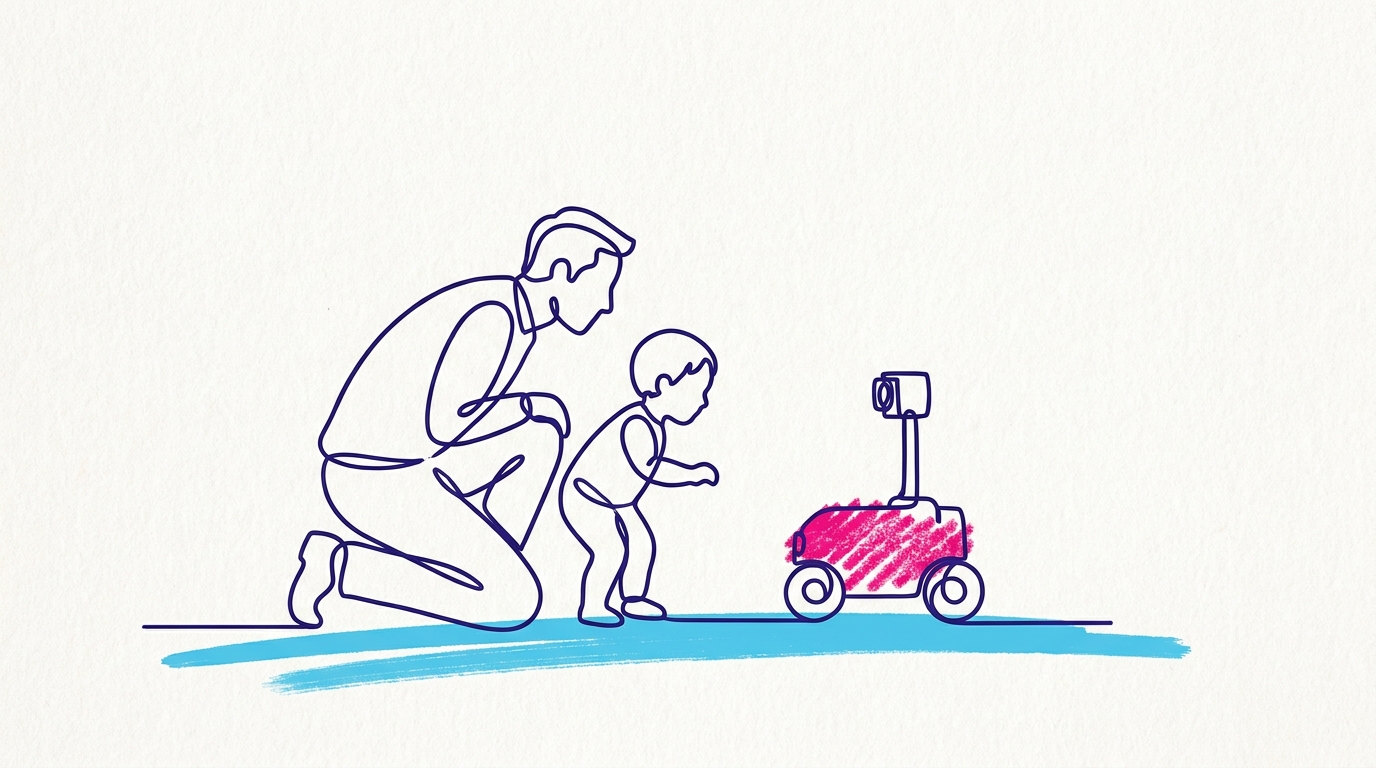
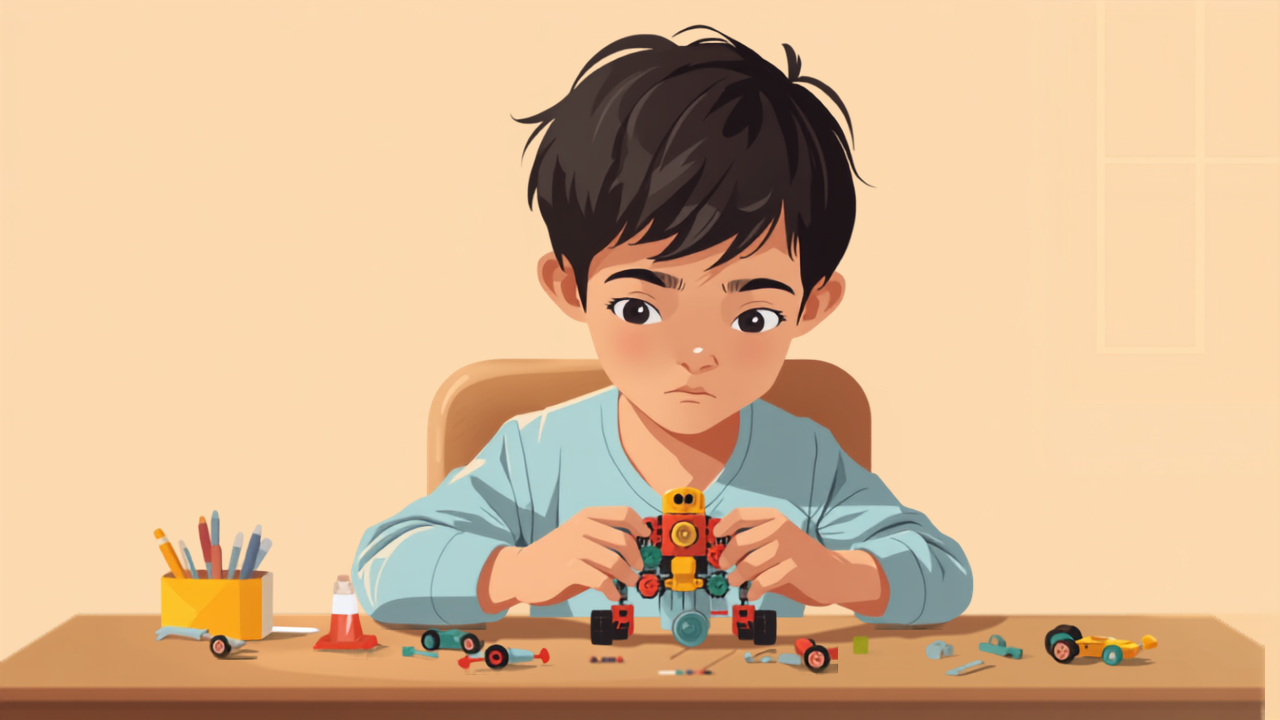
When a child builds a robot — even a simple screenless one — they are not following a script. They set a goal, design a solution, test it, observe what goes wrong, and iterate. This process, repeated across dozens of small projects, is how critical thinking becomes a habit rather than a lesson.
The same principle drives real-world robotics challenges. NASA’s Swarmathon challenged students to design algorithms for swarms of small robots solving coordination problems — the same search patterns used in space exploration. What made it powerful was not the technology itself, but the act of grappling with an open-ended problem and discovering a solution through persistence and creative reasoning. We can offer children that same experience at the right scale, from a very young age.
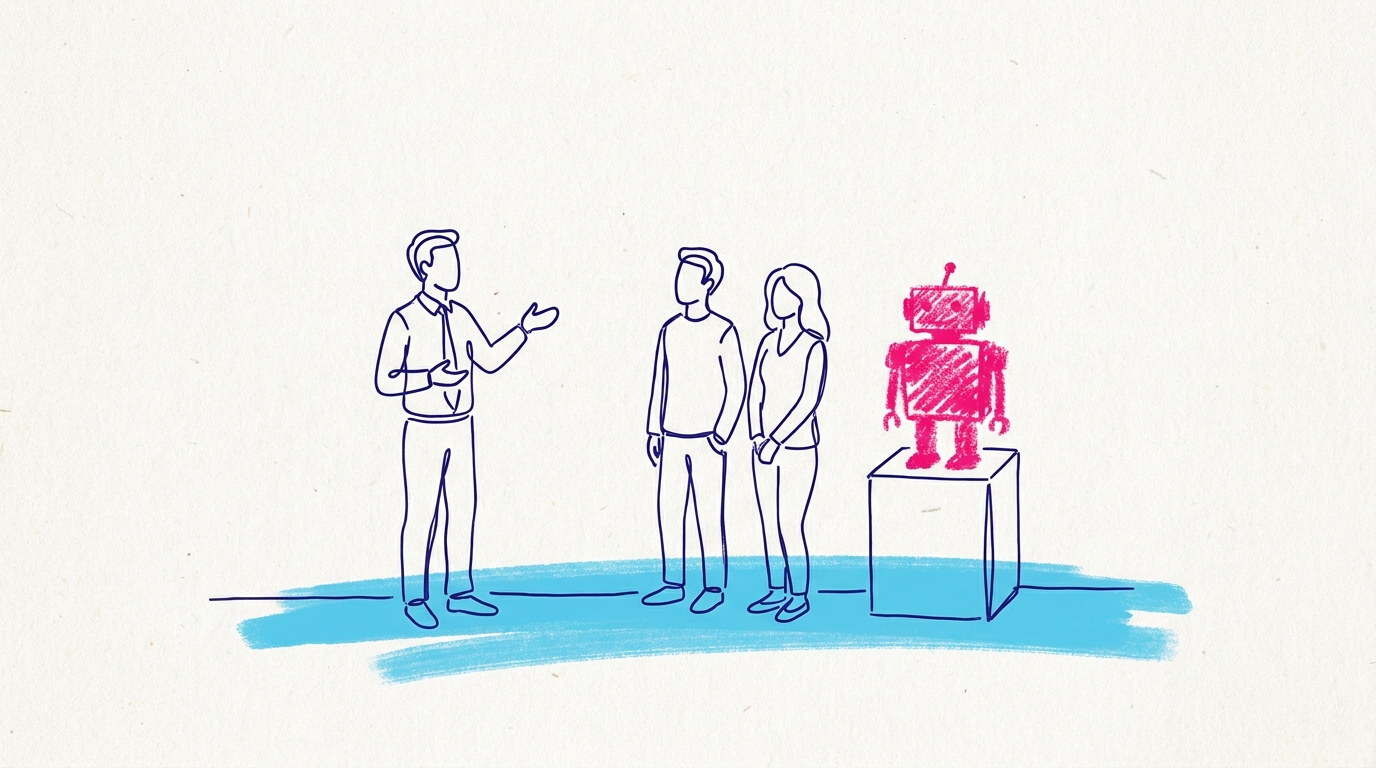
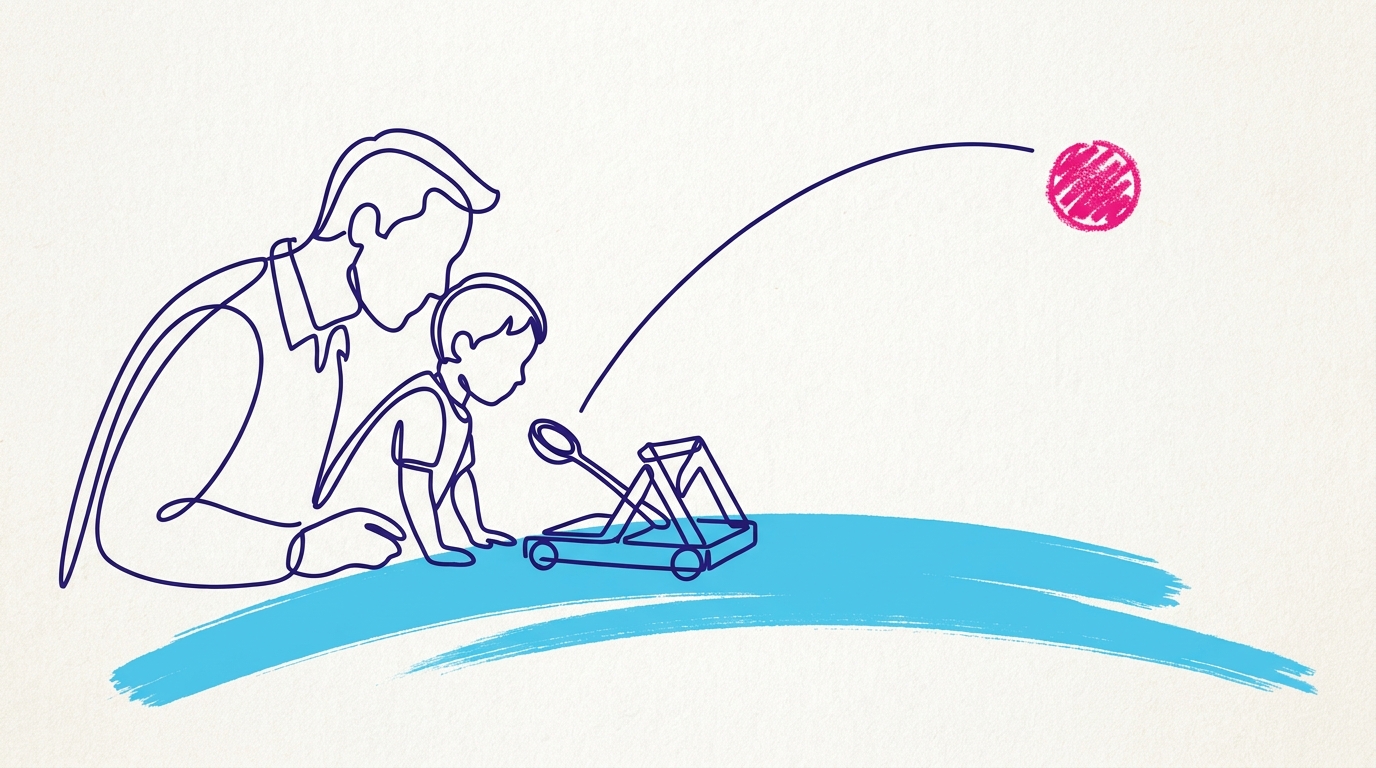
For teachers and parents, the key is to resist giving the answer. When a child’s robot does not behave as expected, that moment of confusion is the learning. Ask questions instead: What do you think went wrong? What could we try differently? The struggle is the point.
Practical Ways to Nurture a Critical Thinker at Home or in Class
- Introduce “why” conversations regularly — why does something work, what would happen if one thing changed?
- Encourage low-stakes experimentation: building, cooking, gardening, or simple craft projects where children make decisions and observe outcomes.
- Celebrate the curiosity to try again rather than the success itself — resilience and reflection are the real wins.
How TokyLabs Puts This Into Practice
At TokyLabs, building thinkers is at the heart of everything we do. Our Tokymini kits — screenless robotics designed for primary school children — remove the distraction of screens and focus entirely on physical interaction, cause-and-effect reasoning, and independent problem-solving. There are no step-by-step instructions to follow. Children explore, experiment, and figure things out with the support of trained mentors who know that the best answer is the one a child discovers on their own. Because a child who learns to think for themselves today becomes the confident, creative adult the world needs tomorrow.
Make Your Business Online By The Best No—Code & No—Plugin Solution In The Market.
30 Day Money-Back Guarantee
Say goodbye to your low online sales rate!