What the European Space Agency Can Teach Us About Robotics in the Classroom
What if your child’s teacher was trained the same way space agencies train their educators? It may sound ambitious — but organisations like the European Space Agency have known for decades that the best way to prepare young people for the future is to give their teachers genuinely inspiring, hands-on challenges to work through first.
The Lesson from Space
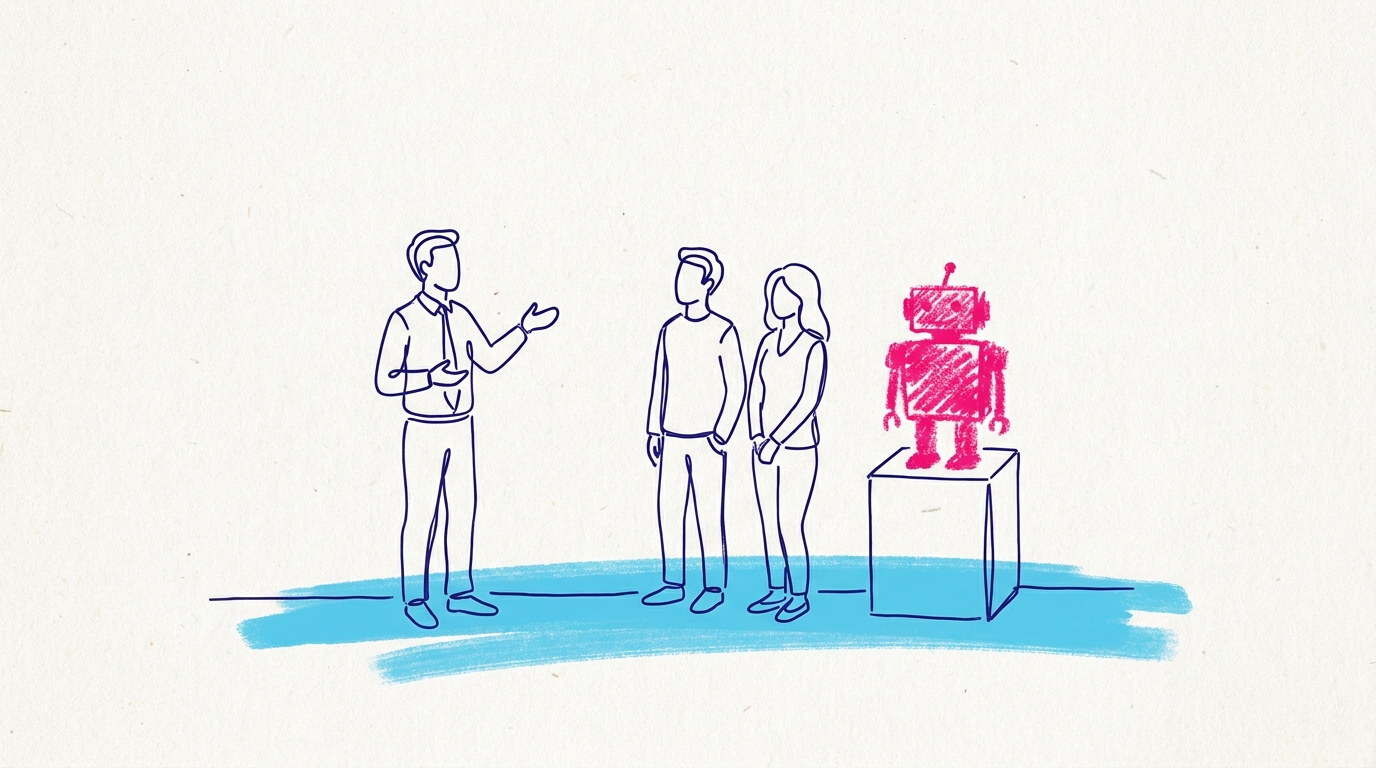
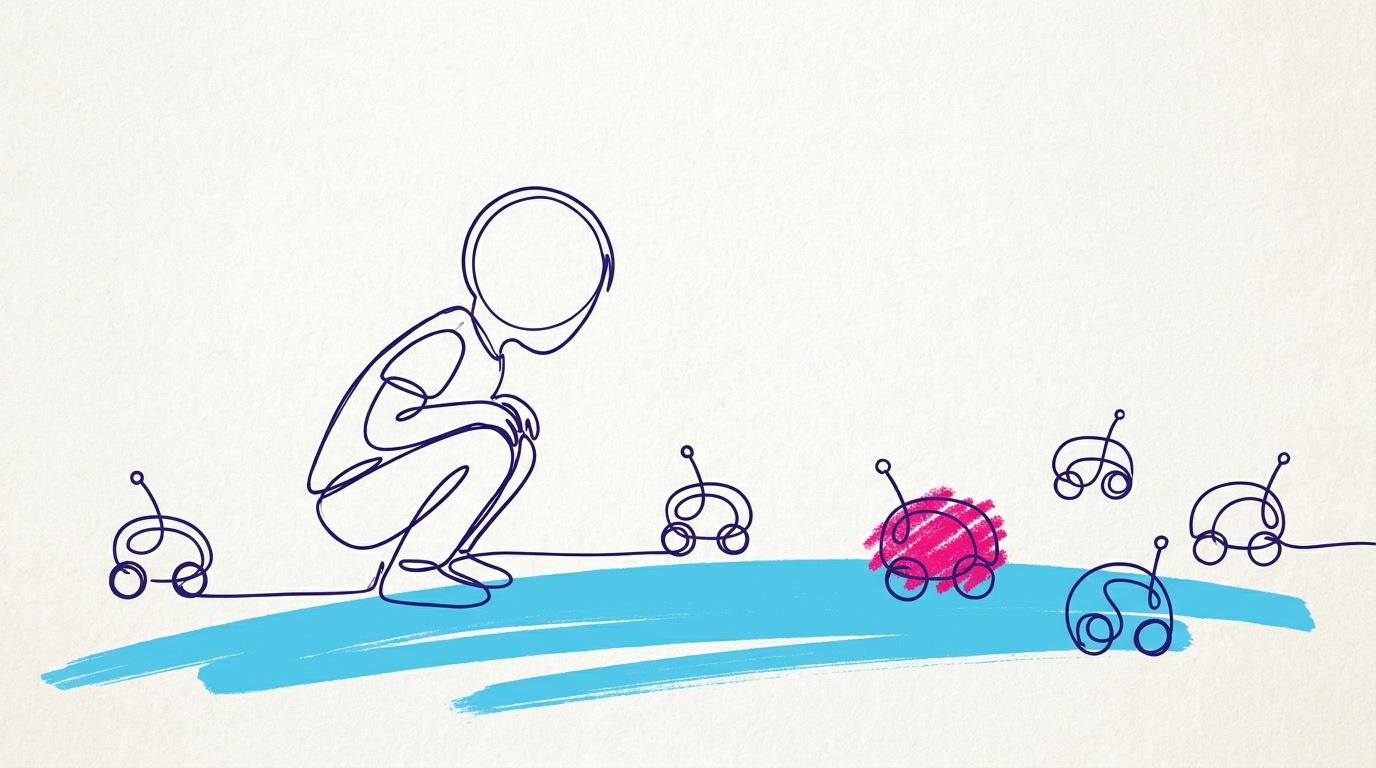
The European Space Agency (ESA) runs Technology & Robotics Workshops specifically designed for teachers. Using microcontrollers, sensors, and tools like Arduino and Raspberry Pi, educators work through challenges directly inspired by real space missions — including programming a small vehicle to navigate terrain the way a Mars rover would. The goal is not to turn every teacher into an engineer. It is to give them the experience of learning through making, so they can bring that same energy and mindset into their own classrooms.
The insight behind this approach is simple and powerful: when a teacher has personally wrestled with an open-ended problem, debugged a circuit, and felt the satisfaction of a working solution, they understand what that process does for a learner. They stop delivering content and start facilitating discovery — and that changes everything.
What Hands-On Robotics Actually Builds in Children
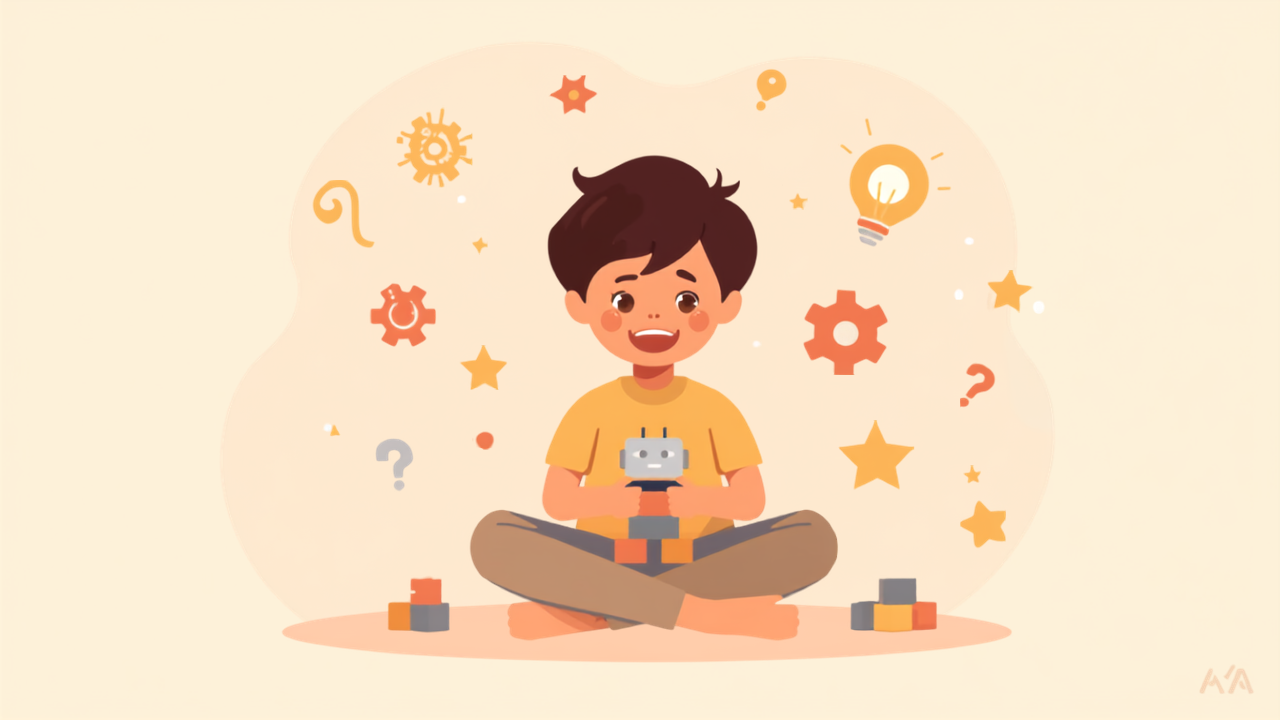
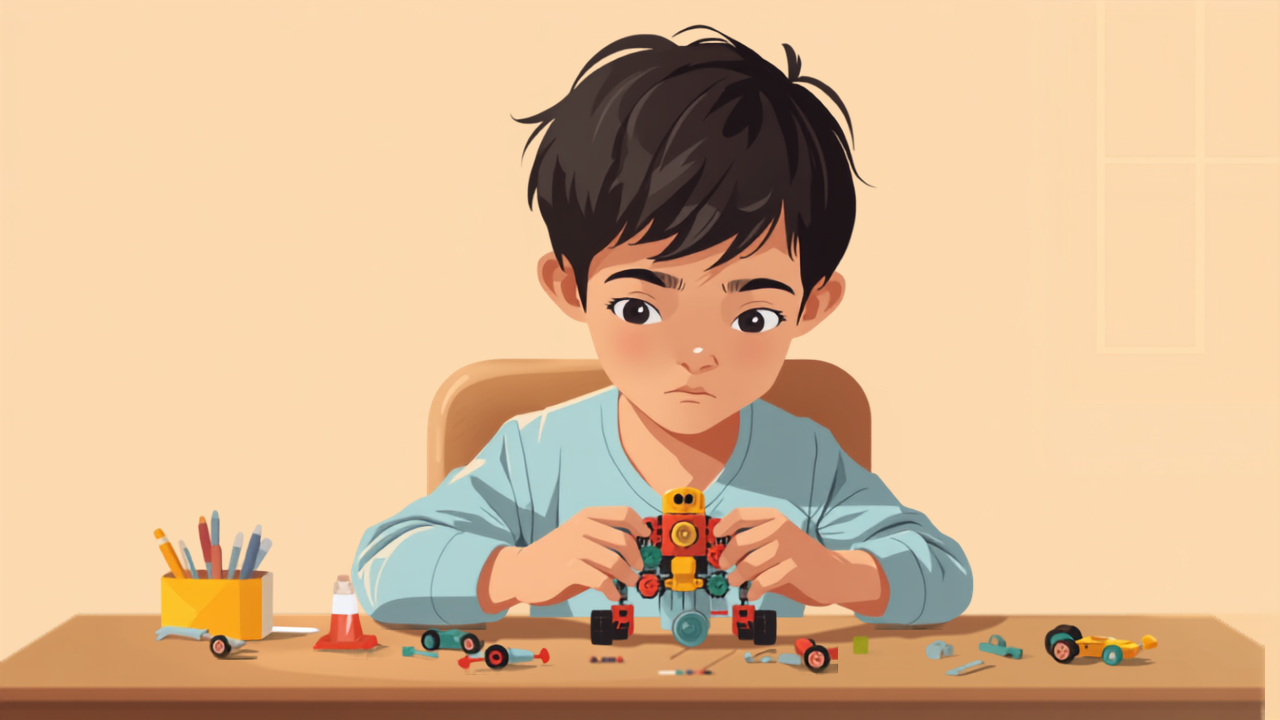
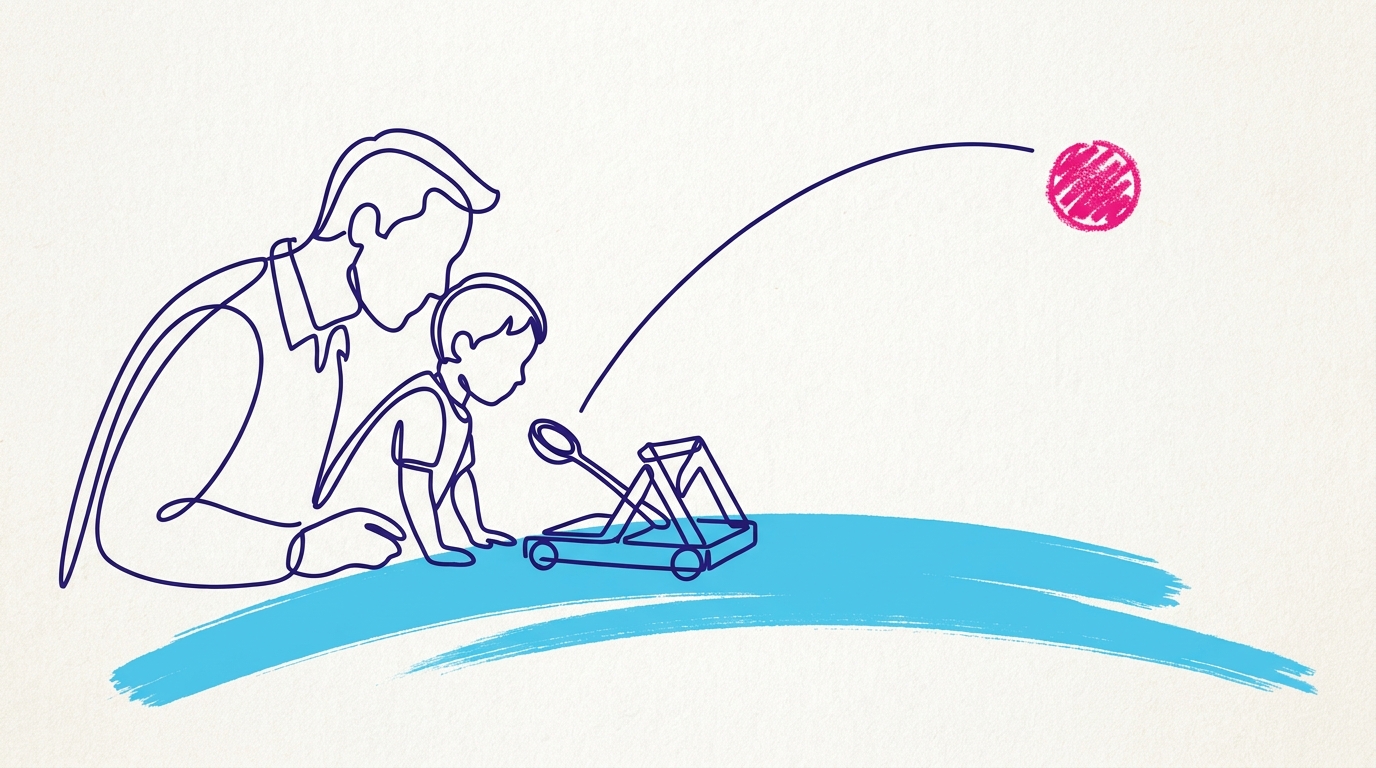
Every time a child adjusts a sensor, rewires a component, or reprograms a device because their first idea did not work as expected, they are practising something far more valuable than technical knowledge. They are building a tolerance for uncertainty, a habit of iteration, and the confidence to try again. These are the thinking skills that transfer across every subject, every career, and every life challenge ahead of them.
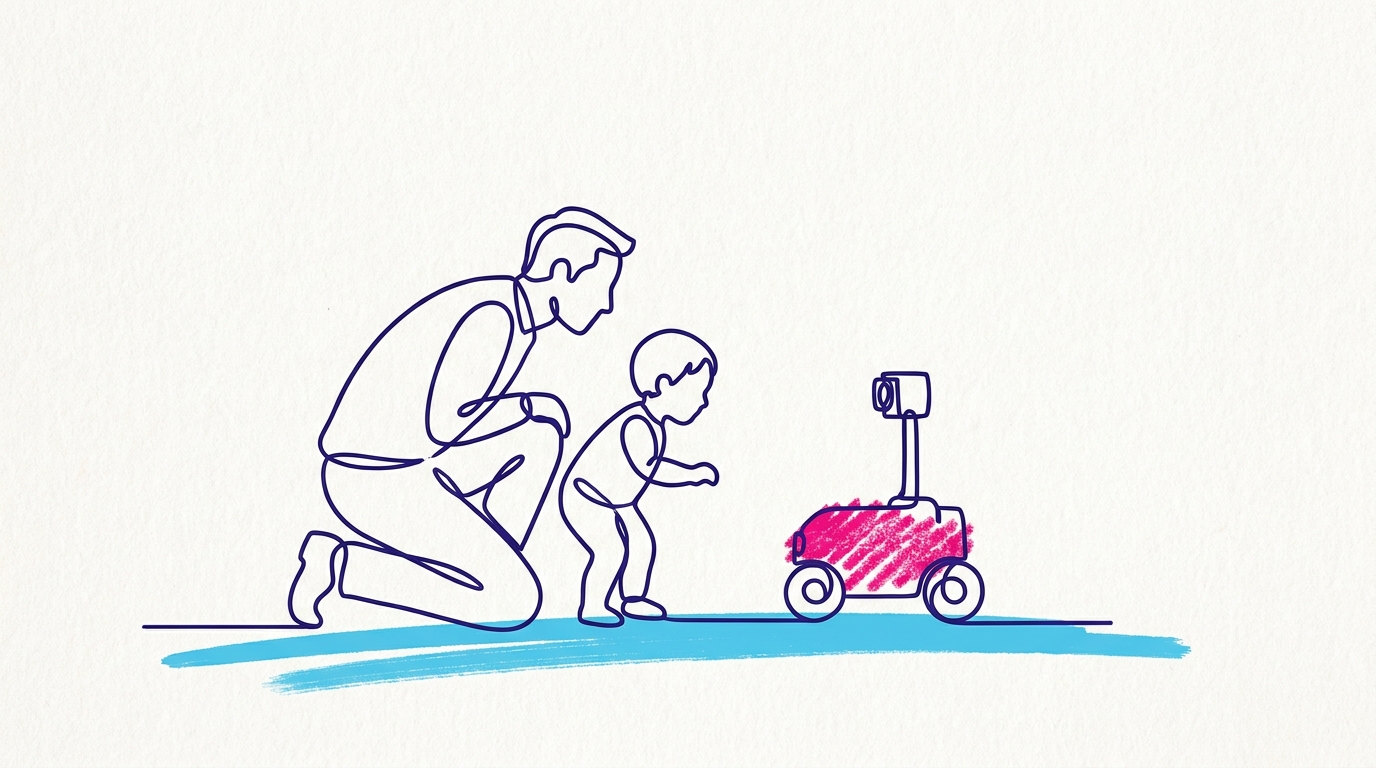
For parents, the takeaway is this: your child does not need to love robotics to benefit from it. The curiosity, persistence, and creative problem-solving that a robotics project develops are universal. Even a simple at-home challenge — building something that moves, responds to light, or follows a line — creates the same kind of cognitive stretch that classroom worksheets rarely do.
Practical Steps for Teachers and Parents
- Start with the problem, not the solution. Give children a goal and let them figure out the path. Resist showing the “right” way first — the productive struggle is where the real learning lives.
- Celebrate the revision. When a design fails, ask: “What did we learn?” The second attempt is almost always better, and recognising that turns failure into motivation.
- Connect it to the real world. Whether it is a Mars rover, a smart home sensor, or a recycling machine, context makes the challenge meaningful and keeps curiosity alive.
How TokyLabs Brings This to Bali’s Schools
At TokyLabs, we believe great STEM education begins with great educators. That is why our teacher training and STEM robotics certification programmes give teachers in Bali the hands-on experience, tools, and mentorship they need to run genuinely engaging robotics sessions — the same philosophy that ESA champions at the international level, applied right here in the classroom. Whether your school is looking to integrate Tokymaker kits into the curriculum or launch a vibrant after-school programme, our team is ready to walk alongside your educators and students every step of the way.
Make Your Business Online By The Best No—Code & No—Plugin Solution In The Market.
30 Day Money-Back Guarantee
Say goodbye to your low online sales rate!