Why Creativity Is the Superpower Every Child Needs in the Age of AI
In a world where artificial intelligence can write essays, generate images, and solve equations in seconds, many parents and teachers are asking the same question: what skills will actually matter for our children? The answer may surprise you. It is not coding, not data analysis, and not the ability to use the latest apps. It is creativity — the deeply human capacity to imagine something that does not yet exist and find the will to bring it into the world.
The Skill That Cannot Be Automated
Creativity is one of the last frontiers that AI genuinely struggles with. While AI can remix, optimise, and predict, it does not truly originate. Children who grow up learning to question, experiment, build, and make unexpected connections are developing a skill set that will remain irreplaceable for decades. Creativity is also the engine behind every other skill worth having: it powers problem-solving, fuels resilience, and turns abstract knowledge into real-world action.
What Creative Learning Looks Like in Practice
“We can’t teach children the jobs of the future, because those jobs don’t exist yet. What we can teach is how to learn, adapt and create.”
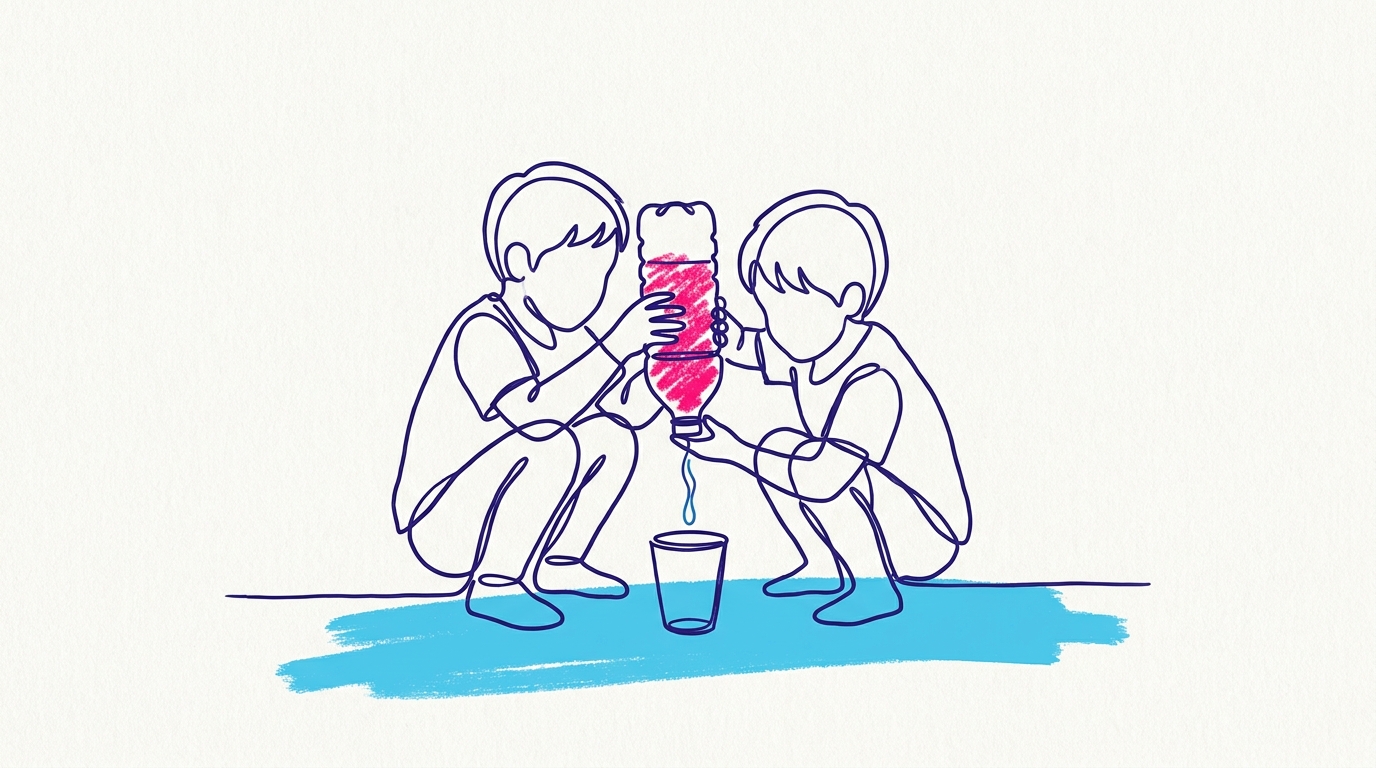
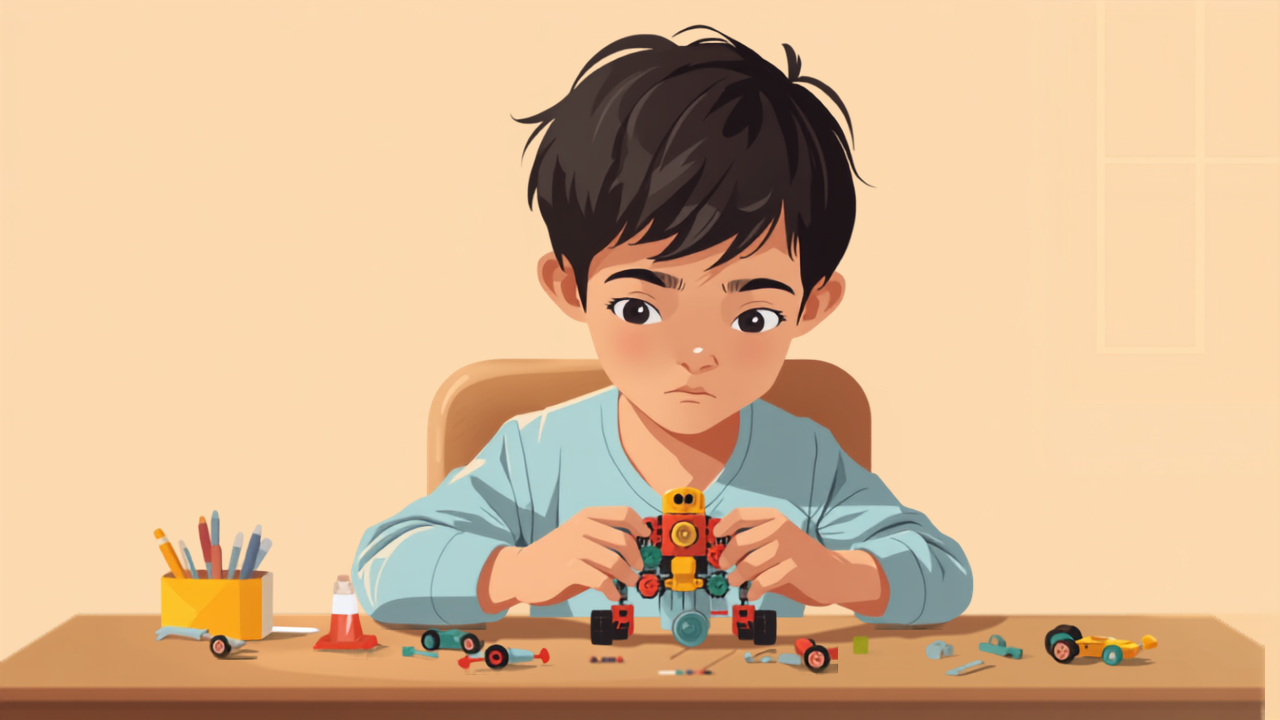
Creative learning is not about art class or free play (though both matter). It is about giving children ownership over a challenge — one where there is no single right answer — and watching them navigate it. When a child tries to build a robot that can avoid an obstacle, fails, thinks, tries again, and succeeds on the third attempt, they are not just learning engineering. They are practising the creative process itself: idea, test, reflect, improve.
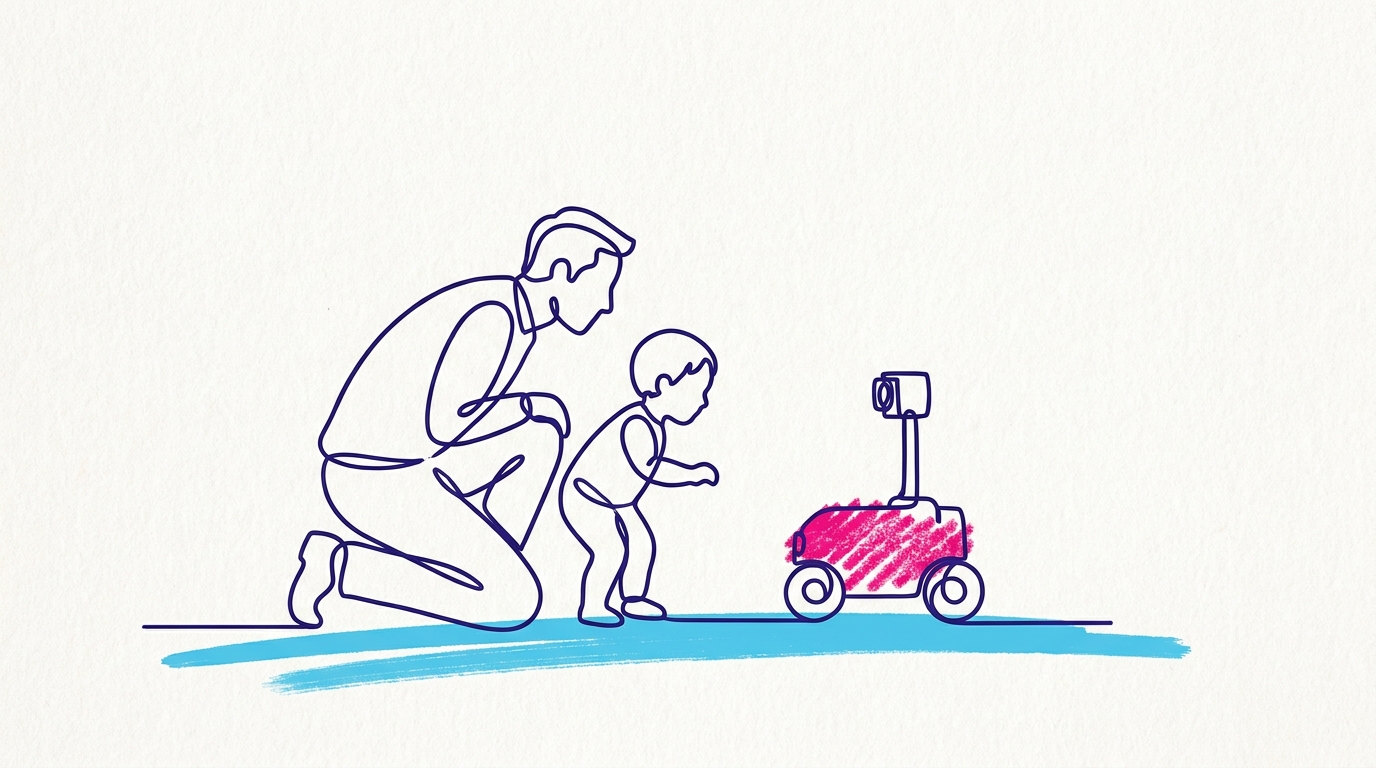
For teachers, this means shifting from “let me show you how” to “what do you think we should try?” That shift changes everything. Research consistently shows that children given ownership over open-ended challenges become more confident decision-makers, stronger communicators, and more adaptable learners — precisely because they have learned to trust their own thinking process.
Practical Tips for Parents and School Administrators
You do not need expensive equipment to nurture creativity. Some of the most effective strategies are the simplest:
- Give your child an open-ended challenge with no instruction manual.
- Celebrate the attempt, not just the outcome.
- Ask “what if?” more than “what is the answer?”
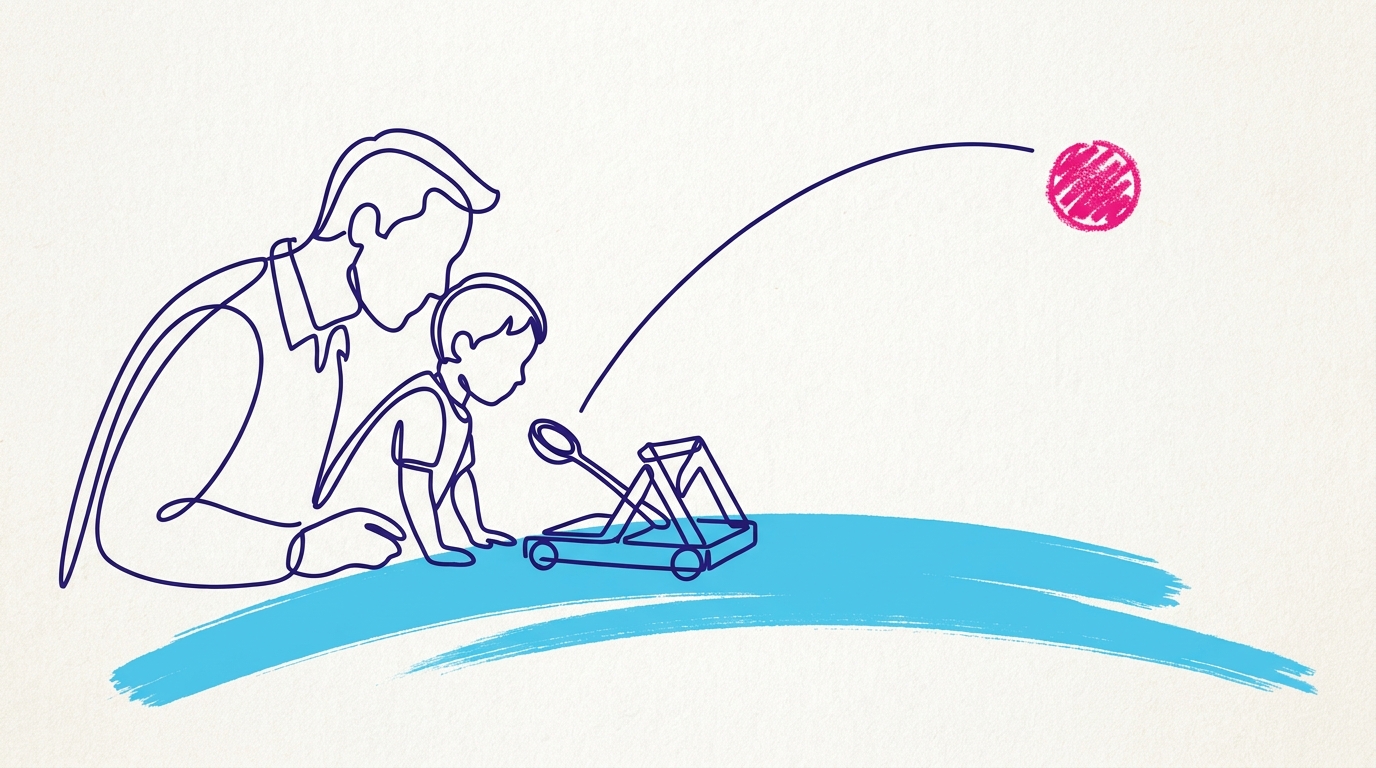
- Let them teach you something they figured out on their own.
For school administrators, it means carving out time for project-based learning and STEM exploration that is not driven solely by test scores — because the skills that show up on a report card years later are built in those messy, wonderful, unscripted moments today.
How TokyLabs Puts Creativity at the Centre
At TokyLabs, creativity is not an elective — it is the whole point. Whether students are experimenting with Tokymaker kits to design their first programmable device, or exploring Tokymini for screenless, tactile discovery, every session is built around open challenges where children lead and trained educators guide. Our after-school programmes at international schools across Bali are founded on a simple conviction: a child who learns to create today becomes a confident, adaptable adult who can face whatever tomorrow brings — AI and all. Ready to give your child that edge? Explore our programmes at tokylabs.com.
Make Your Business Online By The Best No—Code & No—Plugin Solution In The Market.
30 Day Money-Back Guarantee
Say goodbye to your low online sales rate!