

The Tiniest Robots in the World — And What They Teach Our Kids About Possibility
What if a robot could swim through your bloodstream to deliver medicine exactly where it's needed? What if a swarm of machines no bigger than an ant could search through rubble after an earthquake, locating survivors in spaces too narrow for any human to enter? These are not science fiction plots — they are real technologies being developed by researchers right now. Welcome to the world of microrobots: machines so small they are measured in millimetres or even microns, yet carrying an outsized promise for humanity's future.
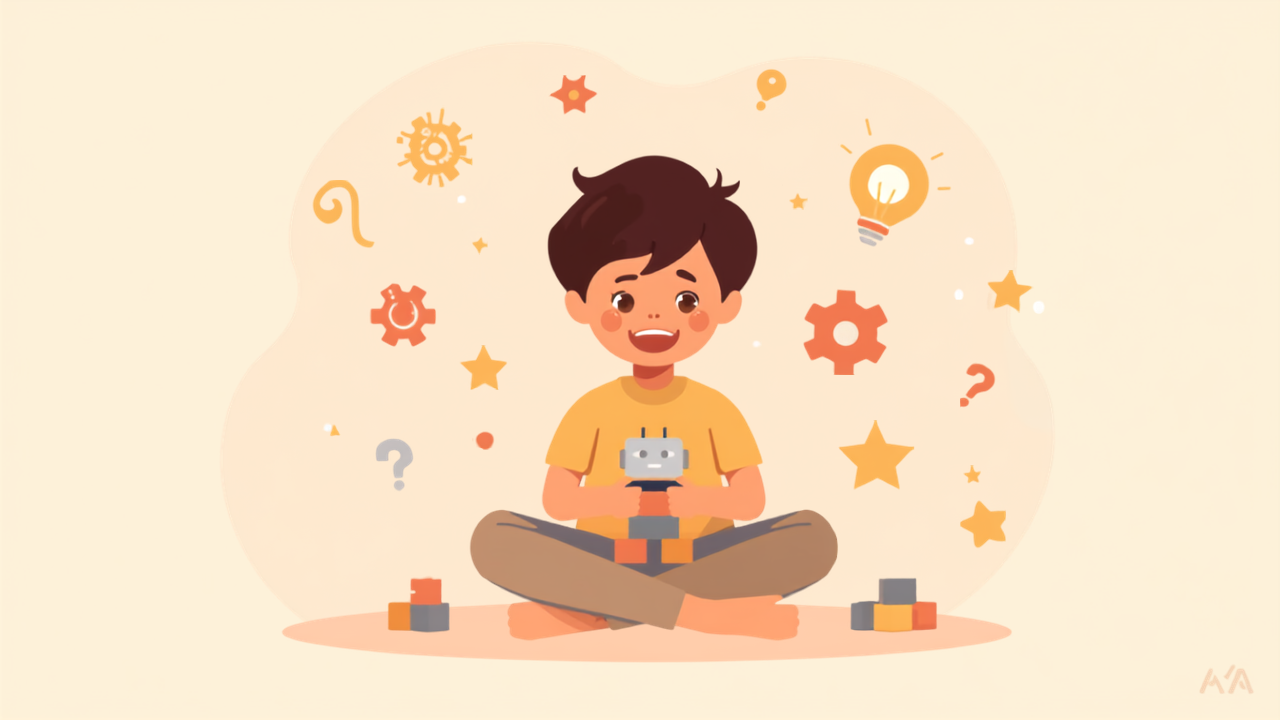
Microrobots are at the cutting edge of medical research, environmental science, and disaster response. Scientists at institutions like Harvard and MIT have engineered tiny robots that can crawl, swim, and even deliver targeted treatments inside a living organism. Others have built swarms of insect-sized drones that coordinate to map environments too dangerous for people. What makes this more than a fascinating trivia fact is the mindset it unlocks in young learners: that constraints are invitations, not walls. Tiny robots cannot do everything a large robot can, so engineers get creative. They borrow designs from nature — how does a bacterium propel itself? how does a beetle grip a slippery surface? — and translate those solutions into engineering. This is exactly the kind of thinking that flourishes when children are given open-ended challenges with limited materials.
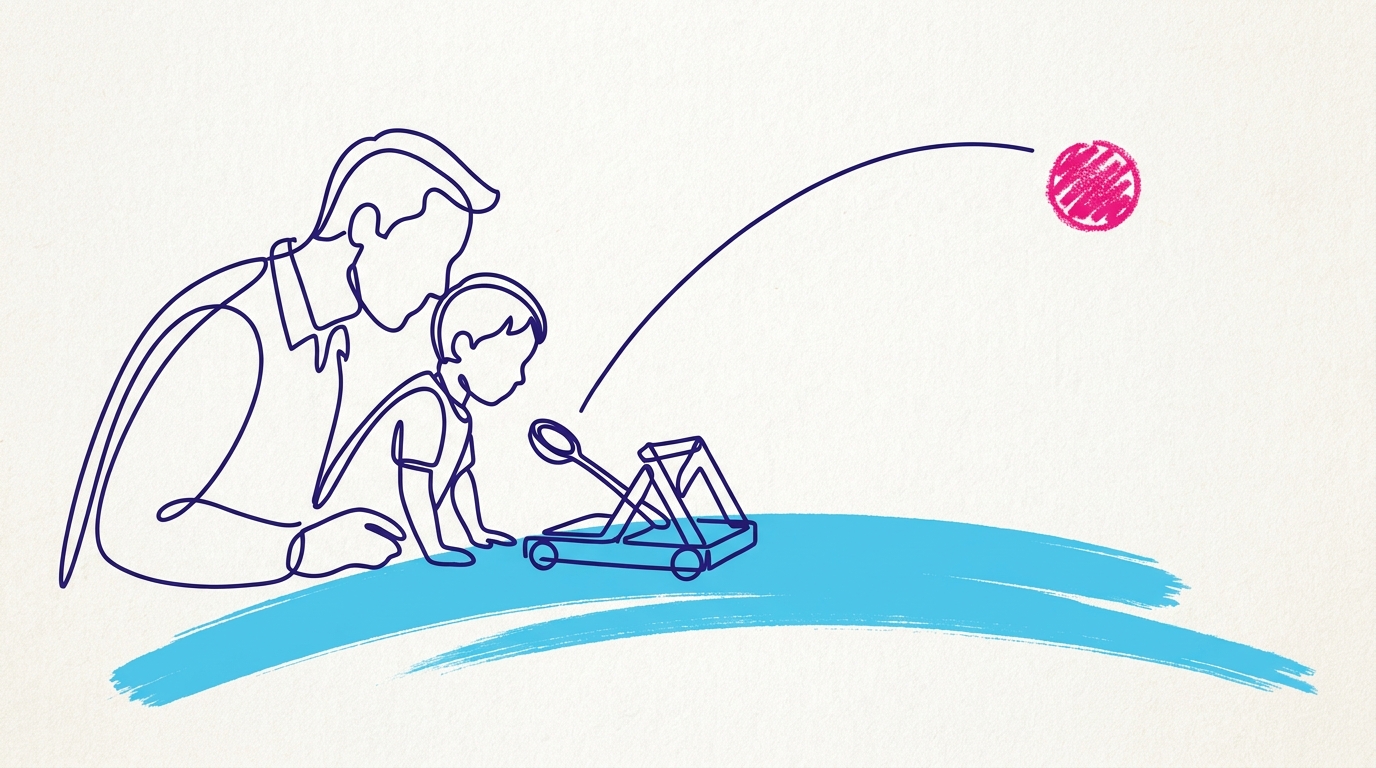
For teachers and parents, microrobots offer a rich conversation starter long before any expensive equipment enters the room. Try this: give a child a straw, a balloon, and a piece of tape and ask, "Can you build something that moves?" That question lives in the same creative space as the scientists designing tomorrow's microrobots. Encouraging children to sketch ideas, test them, and ask "what if it were smaller?" or "what if it moved differently?" trains the iterative thinking that powers real engineering. The goal is never to arrive at the perfect answer on the first try — it is to stay curious long enough to ask better questions.
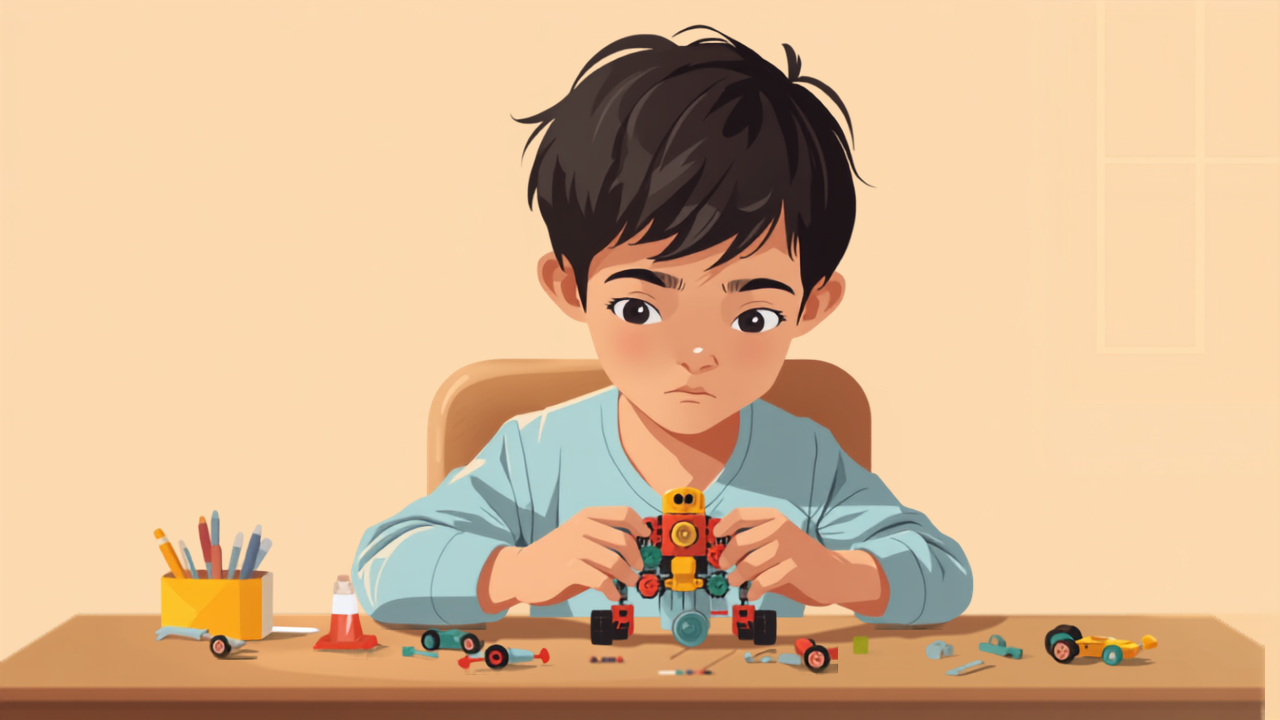
At TokyLabs, this spirit of curiosity-first learning shapes everything we do. Our Tokymini kits give primary school children their first encounter with robotics through screenless play — no coding barriers, just hands-on exploration of cause and effect. For older students, Tokymaker opens the door to programming sensors, motors, and lights in a single afternoon, bridging the gap between imagination and working prototype. We may not build microrobots in our after-school sessions yet — but we are absolutely building the mindset that will create them. Every child who leaves a TokyLabs class asking "what else could this do?" is already thinking like an engineer.
Make Your Business Online By The Best No—Code & No—Plugin Solution In The Market.
30 Day Money-Back Guarantee
Say goodbye to your low online sales rate!