What Wall-E, Baymax, and R2-D2 Teach Kids About Real Robotics
Before a single child picks up a circuit board or writes a line of code, they've already met a robot.
Maybe it was Wall-E, quietly stacking mountains of trash on an abandoned Earth with a curiosity that felt entirely human. Or Baymax, waddling gently toward a frightened child with a calm, "I am your personal healthcare companion." Or R2-D2, beeping his loyalty across galaxies. Fictional robots don't just entertain — they plant a seed of wonder that real-world learning can grow into something extraordinary.
What Fictional Robots Actually Teach
The robots children fall in love with in movies and cartoons model deeply human qualities: empathy (Baymax), resilience and curiosity (Wall-E), loyalty and problem-solving under pressure (R2-D2). When children cheer for these characters, they're building an emotional connection to the idea of machines that help, protect, and create. Researchers in educational technology call this "narrative engagement" — the way a compelling story creates a pre-motivation for learning. Children who grow up with robot stories approach real robotics with a sense of wonder rather than anxiety. They already know robots can be funny, caring, and even heroic.
That emotional foundation matters more than most parents and teachers realise. A child who has spent years rooting for Wall-E to find his way back to Eve is already primed to ask the most important question any young maker can ask: What if I built something that could do that?
From the Screen to Your Child's Hands
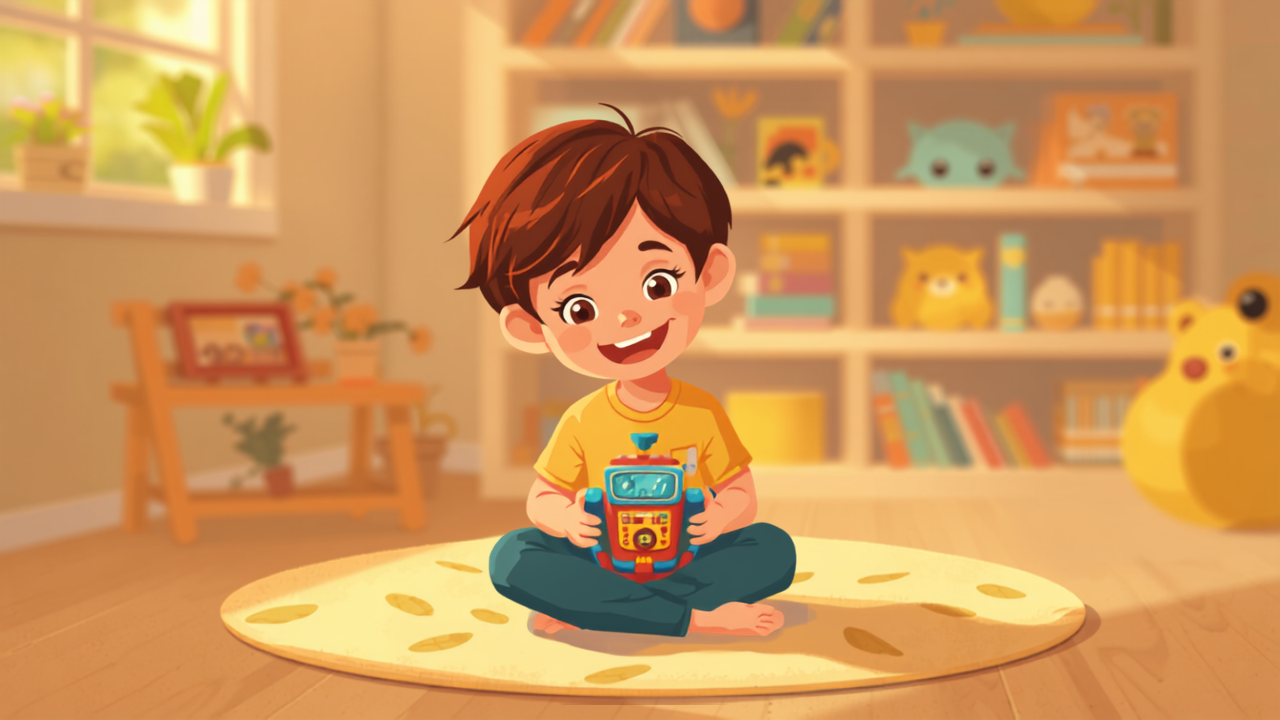
The gap between loving a robot on screen and building one with your hands is where real learning happens. When a child connects two components, tests a motor, and watches something they built move for the very first time — that moment can feel exactly like R2-D2 beeping to life. It transforms a passive viewer into an active maker. Hands-on robotics builds computational thinking, design iteration, and emotional resilience (because most builds fail before they succeed), all wrapped in something that feels like play rather than study.
A few practical tips for parents and teachers: Use movie robots as conversation starters before a build session. Ask "What problem was Baymax designed to solve? What problem does your robot solve?" Let children name their robots — naming creates ownership, and ownership creates motivation to keep going when things get tricky.
Where the Story Continues at TokyLabs
At TokyLabs, we see this magic every single day. Kids walk into our after-school sessions at international schools across Bali still buzzing about their favourite robot characters — and walk out having built something with their own hands using Tokymaker, our robotics kit designed for secondary school students. The first time a student's creation moves, they get that same look in their eyes as Wall-E discovering a plant in the ruins of Earth: pure, uncomplicated joy. That's the moment we're committed to creating, one young builder at a time. Want to bring it to your school? Explore our programs at tokylabs.com.
Make Your Business Online By The Best No—Code & No—Plugin Solution In The Market.
30 Day Money-Back Guarantee
Say goodbye to your low online sales rate!