Why Joy Is the Secret Ingredient in Your Child's Learning
Here’s a question most classrooms never ask: What if the single most powerful thing your child could learn isn’t a subject—it’s a feeling? Not the tension of a deadline, not the weight of a grade, but the genuine, electric rush of doing something they love. That feeling has a name. It’s joy—and it turns out to be the most underestimated force in education.
At the heart of every great learning moment is a child who is so absorbed in what they are doing that they forget they are learning at all. Researchers call this state intrinsic motivation, and it’s the gold standard of education: the drive that comes from within, not from fear or obligation. When children operate in that state—curious, energised, fully engaged—they retain more, persevere longer, and recover from failure faster. Joy is not the opposite of rigour. It is the fuel that makes rigour possible.
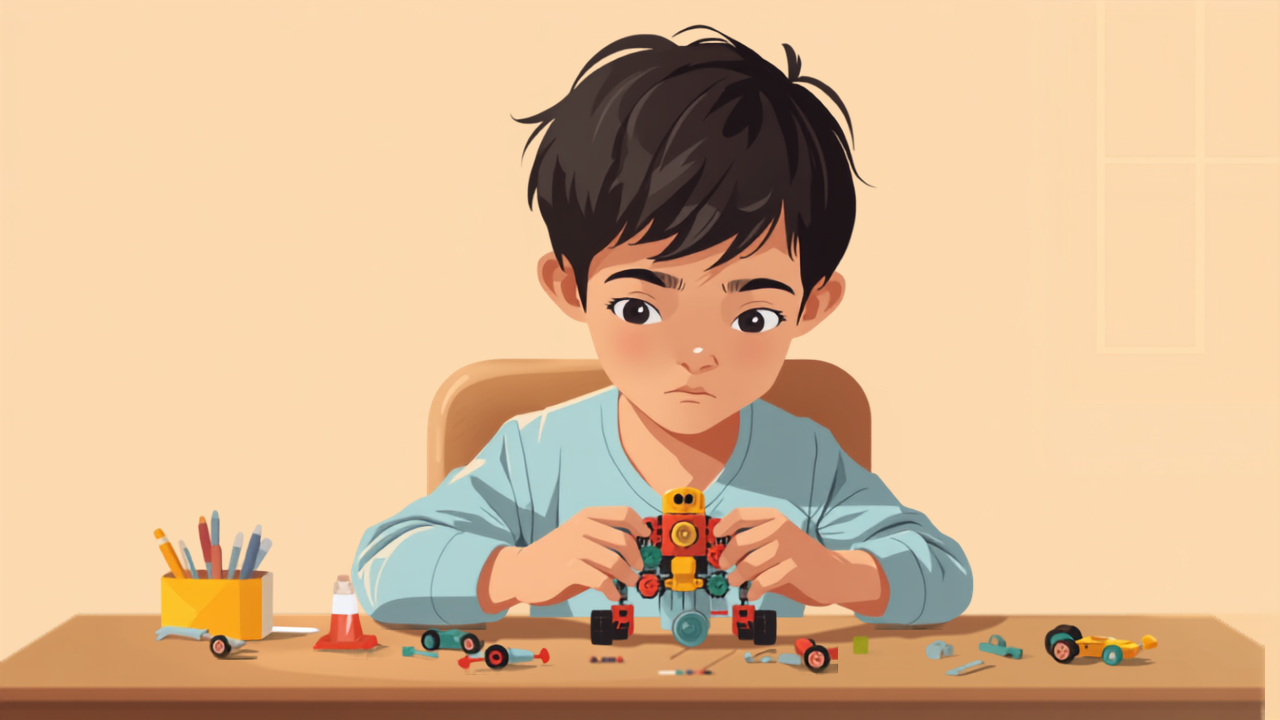
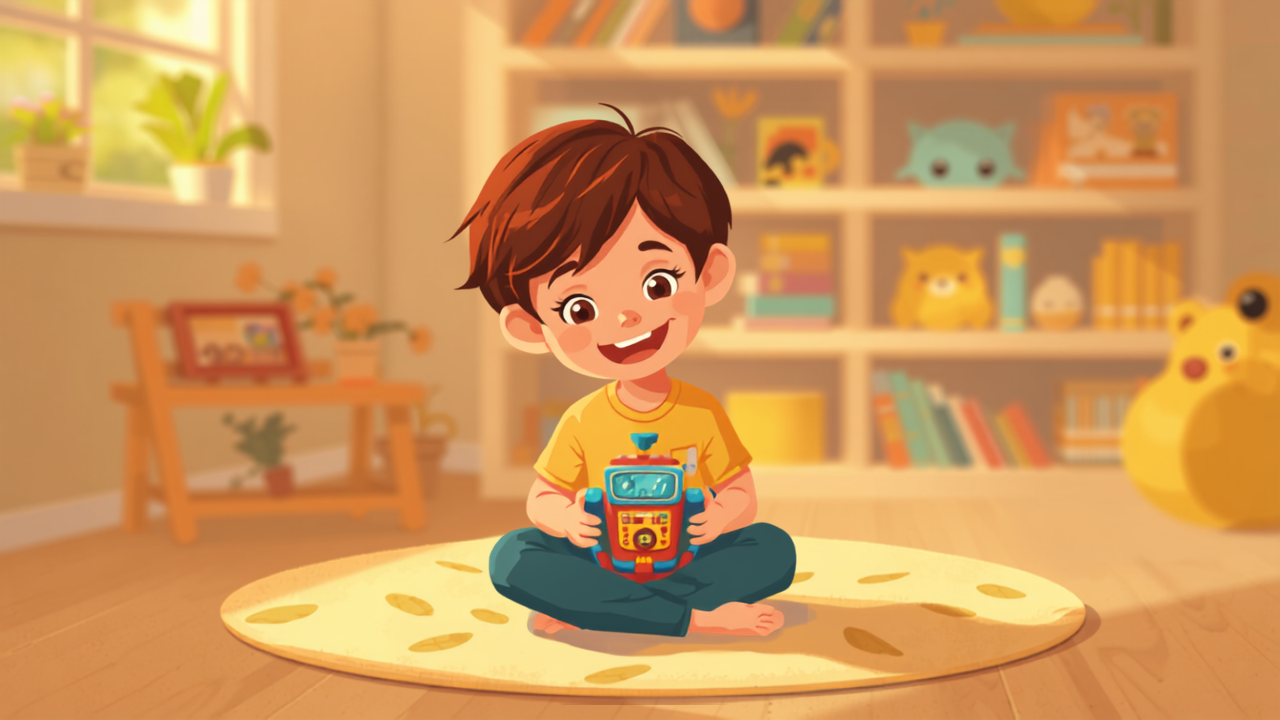
Think about the last time your child couldn’t put something down. Maybe it was a building kit, a mystery book, or a project that kept them up well past bedtime. In that moment they weren’t “studying”—they were in a state of joyful flow. Every mistake became a question. Every question became a clue. The process itself became the reward. That is exactly the environment that hands-on, project-based learning is designed to recreate, day after day, inside a school or a makerspace.
For parents and teachers, this reframes the most important question. Instead of asking “How do I get my child to focus more?”, we might ask “What does my child love to build, explore, or create—and how can I connect learning to that?” A child building a robot that waters the family garden isn’t just doing a STEM activity. She is learning about sensors, logic, systems thinking, and perseverance—but she doesn’t notice, because she is too busy being amazed by what her own hands can do. That sense of creative agency is one of the most lasting gifts a young person can receive.
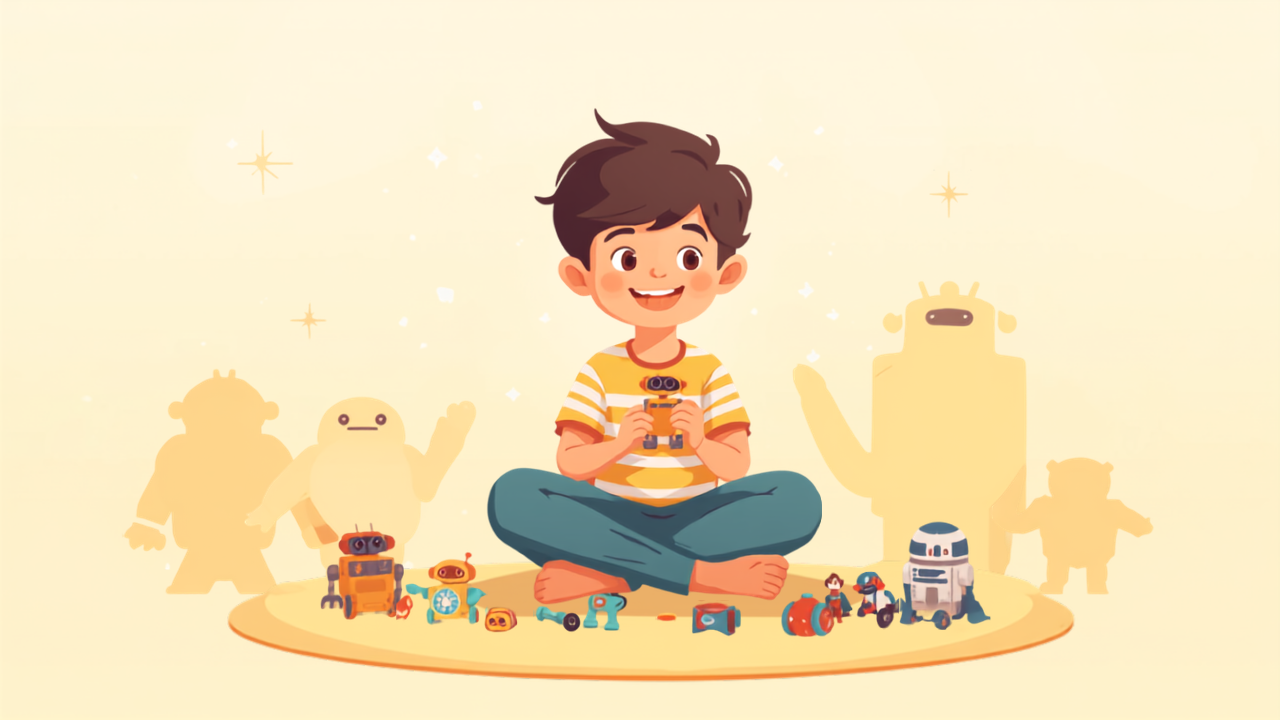
This is also why the maker philosophy—learning by doing, building real things, embracing the mess of experimentation—has proven so effective across cultures and age groups. When children make things with their hands, whether it’s a cardboard lever, a marble maze, or a screenless robot that responds to their commands, they are not passive recipients of information. They are active authors of their own understanding. And when they share what they’ve made, pride and community follow naturally.
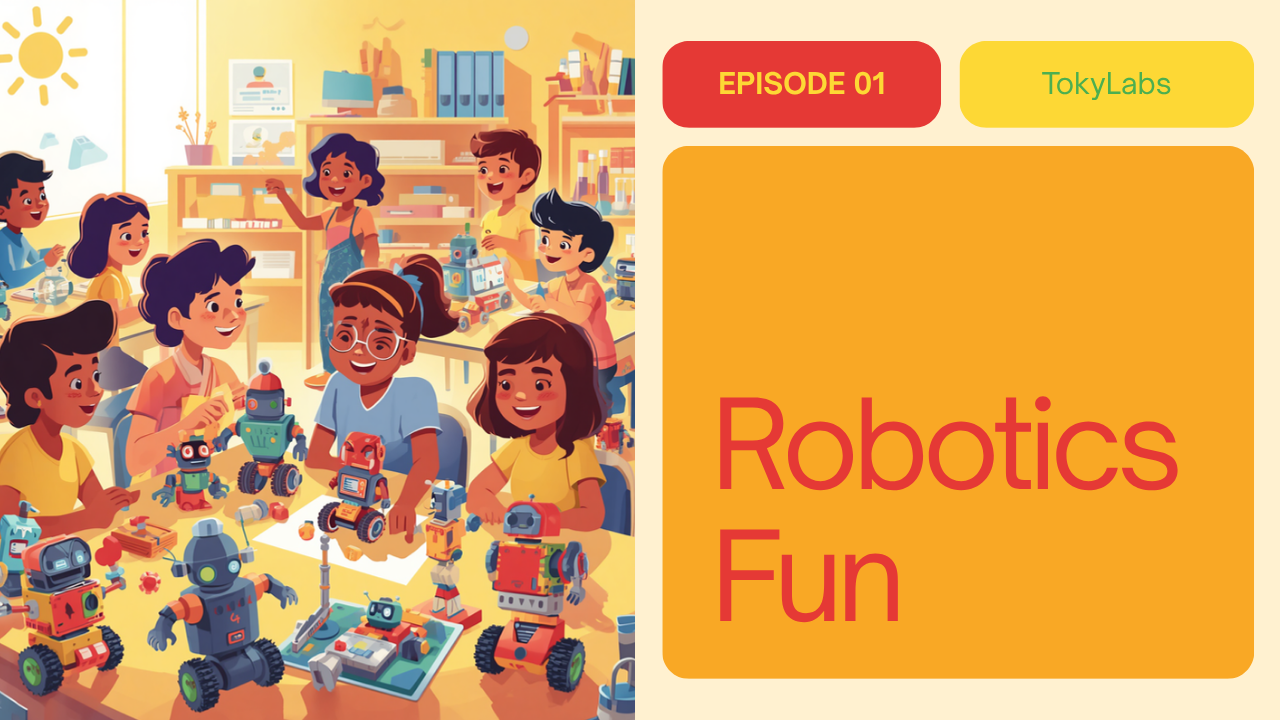
At TokyLabs, joy is not a classroom decoration—it is the architecture of everything we do. Our after-school programmes and in-school robotics sessions bring this philosophy directly to young learners in Bali’s international schools. Through hands-on kits like the Tokymaker for secondary students and the screenless Tokymini for primary-age children, our educators guide each child through real creative challenges at their own pace. We also support teachers through our STEM robotics certification programme, so that the joy of making can ripple outward into every classroom it touches. Because we believe that when a child feels genuinely capable of creating something from nothing, their whole relationship with learning—and with themselves—changes forever.
Make Your Business Online By The Best No—Code & No—Plugin Solution In The Market.
30 Day Money-Back Guarantee
Say goodbye to your low online sales rate!