Why Robots Never Really Fail — And What That Teaches Our Kids
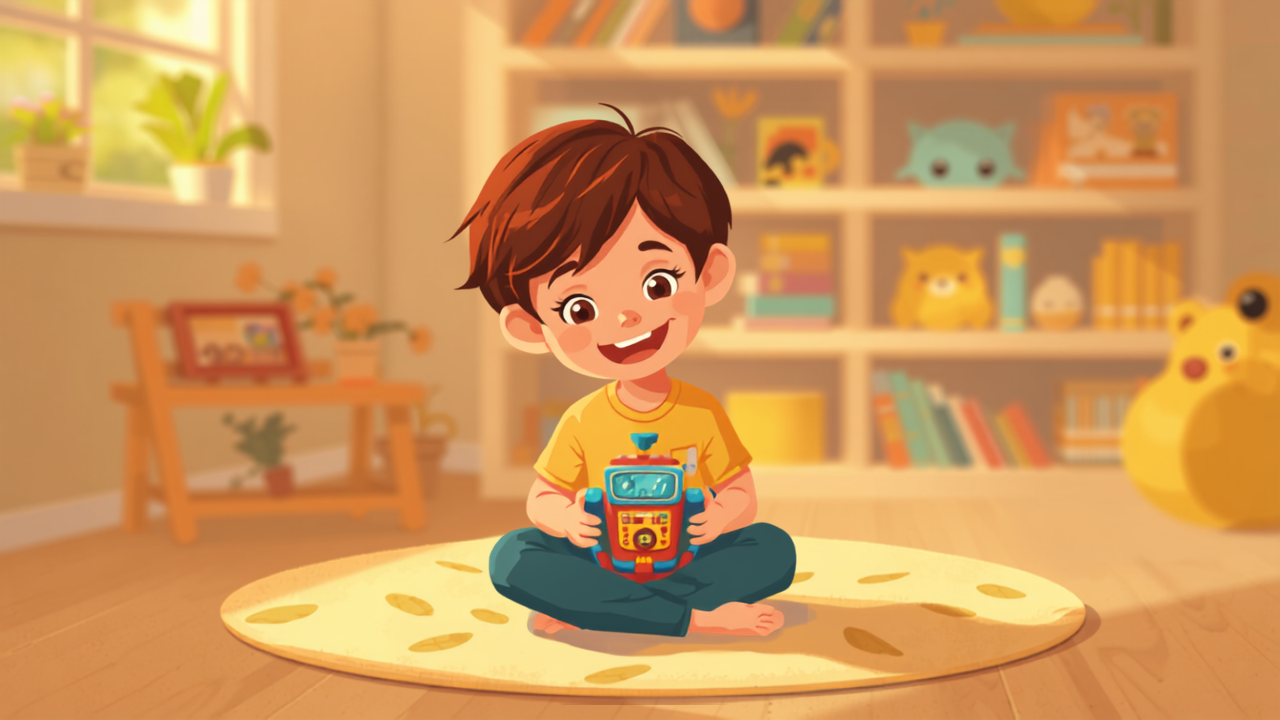
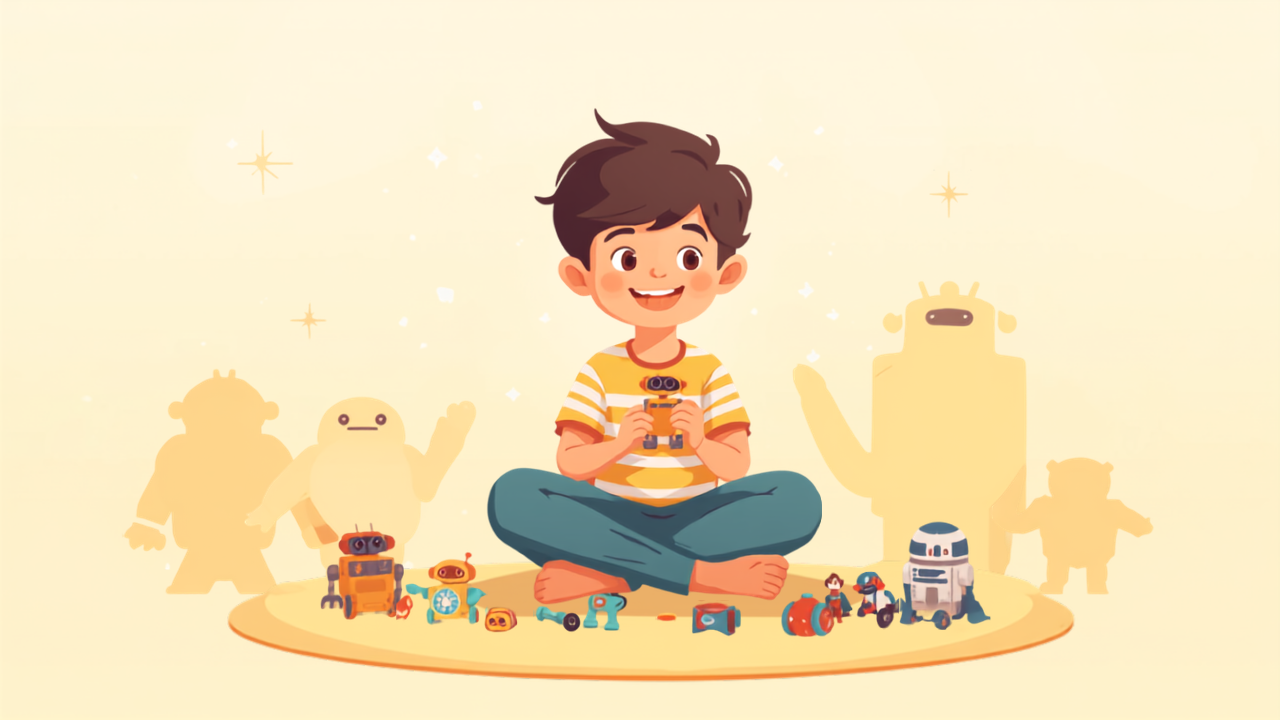
What if the single most important learning moment in your child’s day is the moment their robot doesn’t work?<\/strong> Every teacher who has watched a child spend twenty minutes trying to make a small machine follow a straight line knows what happens next: frustration, reflection, adjustment, and — eventually — something that looks a lot like understanding. That moment of failure is not a detour from learning. It is the destination.<\/p> Engineers and scientists have a word for this process: iteration. It means trying, observing, adjusting, and trying again — as many times as it takes. When a child builds a robot and watches it veer off-course, they are not failing. They are collecting data. Their brain is measuring the gap between what they expected and what actually happened, and that gap is precisely where critical thinking, problem-solving, and genuine understanding take root. The child who rebuilds their robot three times has learned far more than the one who got it right on the first attempt.<\/p> For teachers and parents, nurturing this mindset means resisting the urge to step in too quickly. When a child’s construction collapses or their code produces unexpected results, the most powerful response is a question rather than an answer: “What do you think happened?” or “What would you try differently?” This simple shift turns every stumble into a structured thinking exercise. Research in constructivist education consistently shows that children who are allowed to struggle productively — with support but not rescue — develop stronger problem-solving skills, greater tolerance for ambiguity, and lasting self-confidence in academic and real-world challenges.<\/p> This is one reason why hands-on robotics is so uniquely effective compared to screen-based or purely theoretical approaches. When a child interacts with a physical robot, the feedback is immediate, tangible, and honest. The robot does exactly what the instructions say — no more, no less. That directness is a gift. It teaches children that the world responds to clear thinking and careful planning, and that the willingness to keep going after a first attempt falls short is not stubbornness — it is engineering. These are not just technical skills. They are the habits of mind that shape resilient, creative thinkers across every subject and every stage of life.<\/p> At TokyLabs, teacher training is built around exactly this philosophy. Our STEM robotics certification programmes equip educators not just with technical knowledge, but with the classroom strategies needed to turn every “broken” robot into a genuine learning breakthrough. When teachers feel confident facilitating productive struggle — rather than feeling pressure to fix every problem — classrooms become places where iteration is celebrated and curiosity never runs out. If you are a teacher or school administrator interested in bringing this approach to your students, visit tokylabs.com<\/a> to find out what that looks like in practice.<\/p>Iteration: The Skill Behind Every Breakthrough<\/h2>
Why Physical Robotics Makes the Lesson Stick<\/h2>
Building Classrooms Where Mistakes Are Welcome<\/h2>
Make Your Business Online By The Best No—Code & No—Plugin Solution In The Market.
30 Day Money-Back Guarantee
Say goodbye to your low online sales rate!