
Your School Says It Teaches Robotics. Here Are 3 Questions Worth Asking.
The brochure says “STEM” and the timetable lists “Robotics,” so you feel confident your child is getting the education they need for tomorrow’s world. But here is the uncomfortable truth: not all school robotics programmes are created equal. What passes for robotics in many classrooms today falls well short of what the name suggests — and the gap can have real consequences for your child’s development. Before you assume the box is ticked, here are three questions that reveal whether a school is offering genuine robotics education or something much thinner.
1. Do the children actually build something?
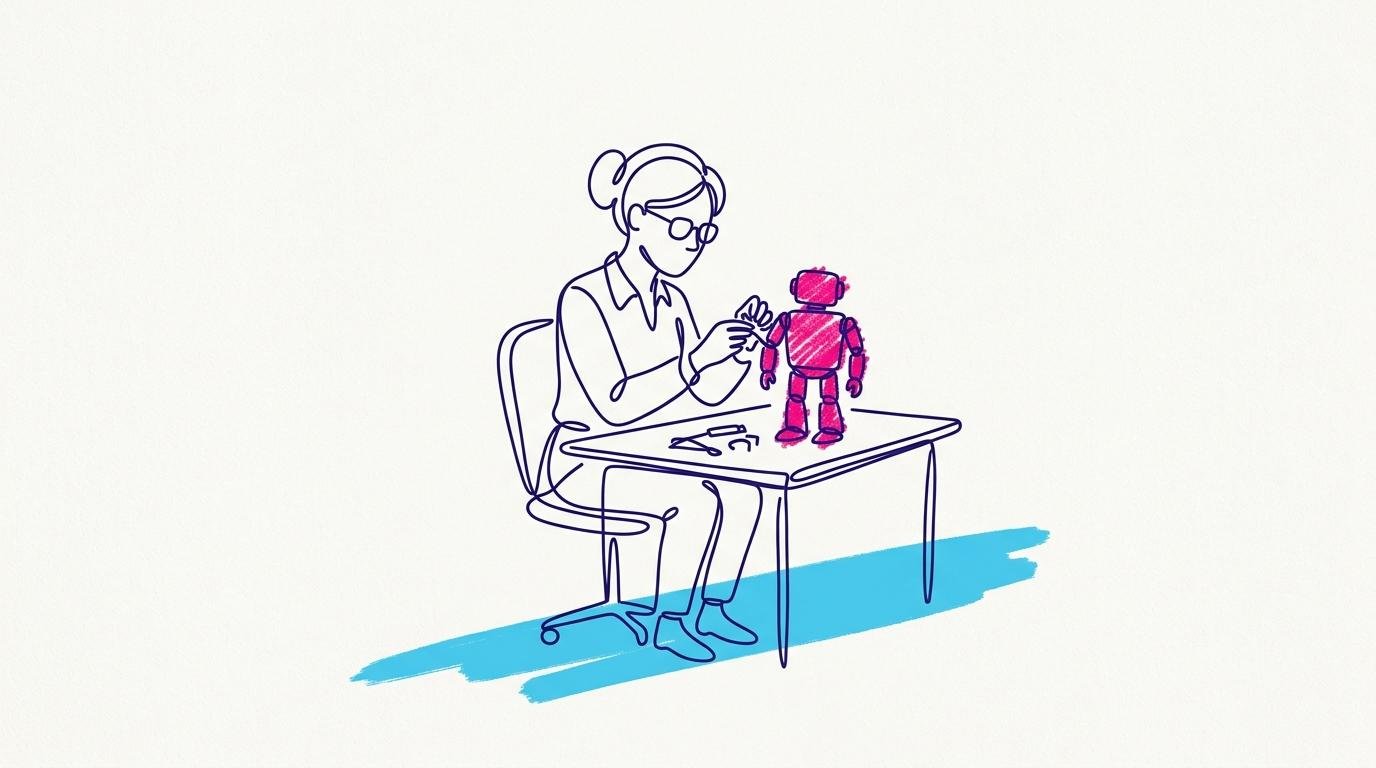
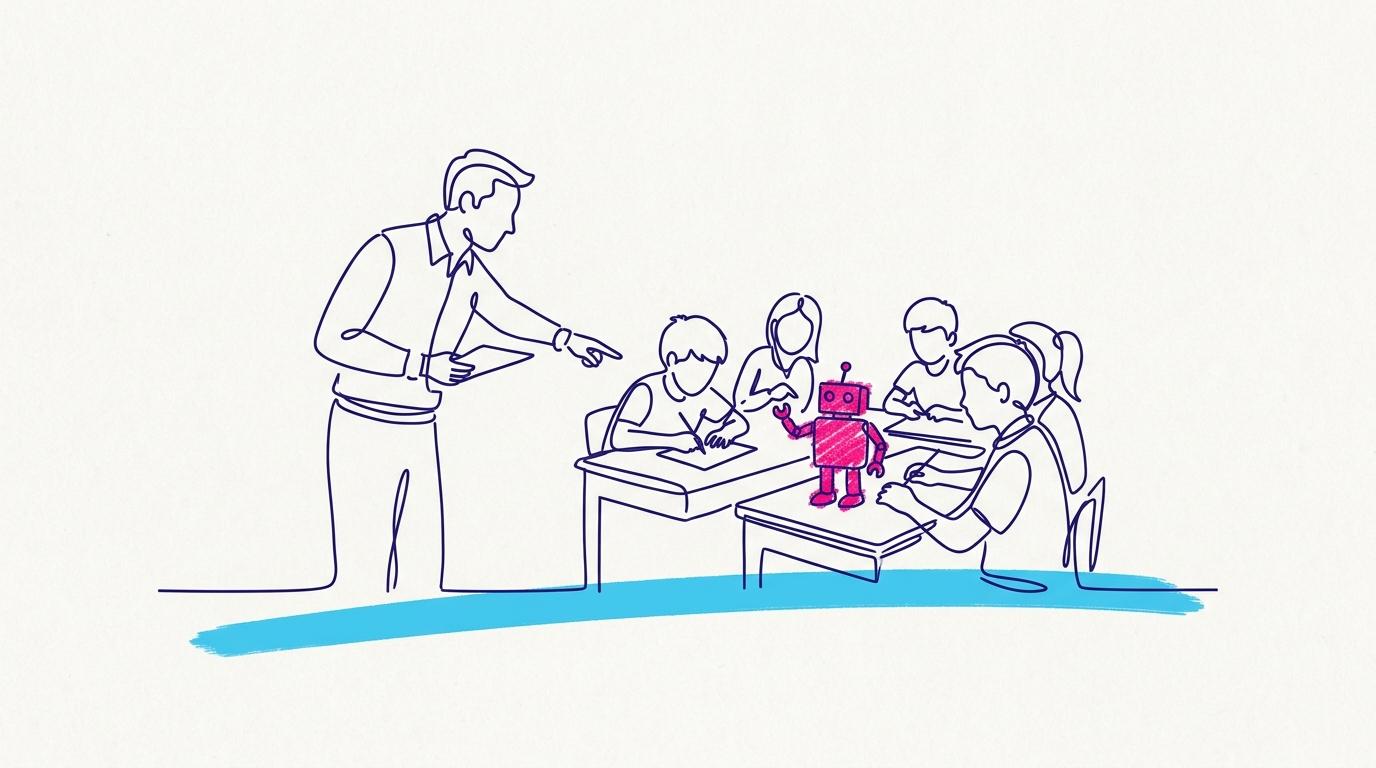
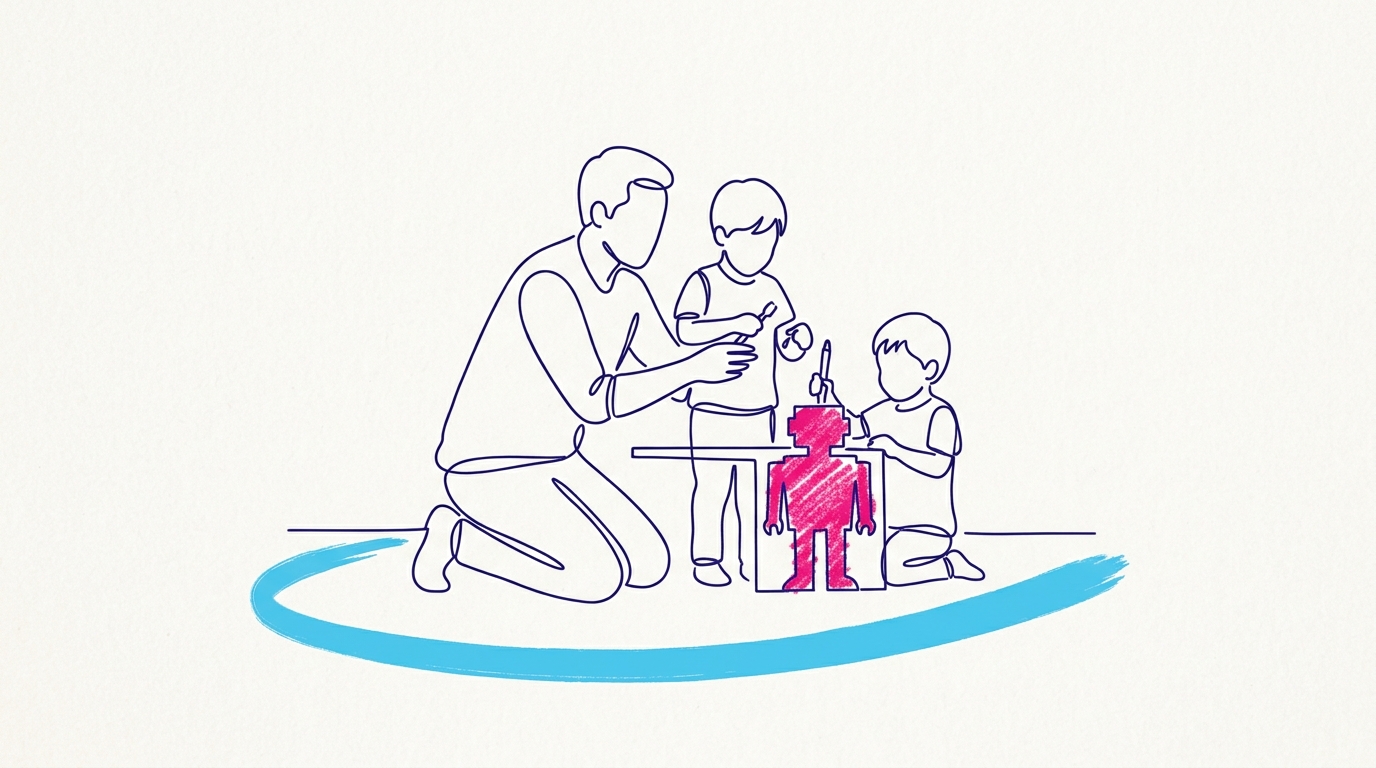
Many schools that lack qualified robotics teachers solve the problem by relabelling their computing or ICT lessons. Children spend the session typing on keyboards, navigating apps, or watching a demonstration. These are useful activities, but they are a completely different discipline. True robotics asks students to design a solution, assemble physical components, test whether it works, fail, and try again. If the word “build” never appears in the lesson, it may not really be robotics. A simple test: ask the teacher to show you a photo of something a student made this term.
2. Does the programme reach primary-school students?
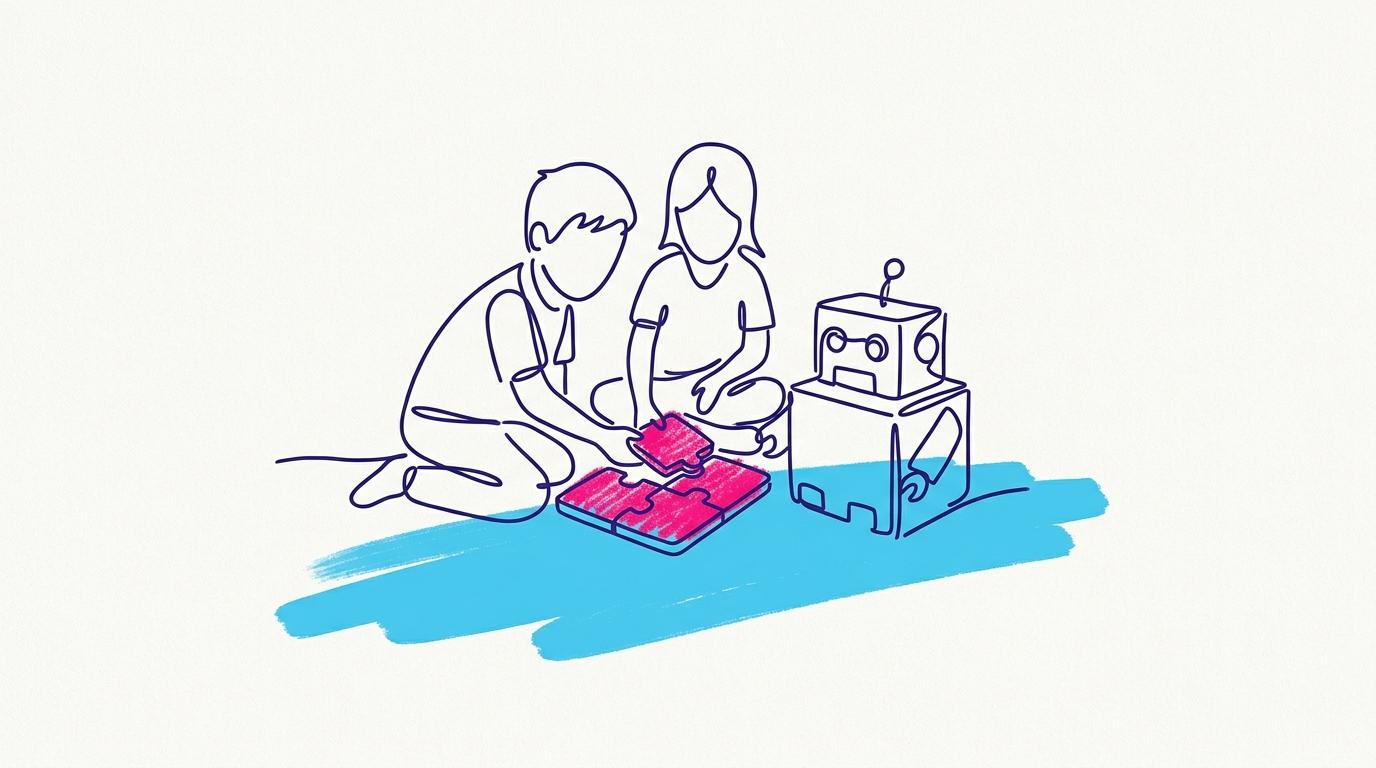
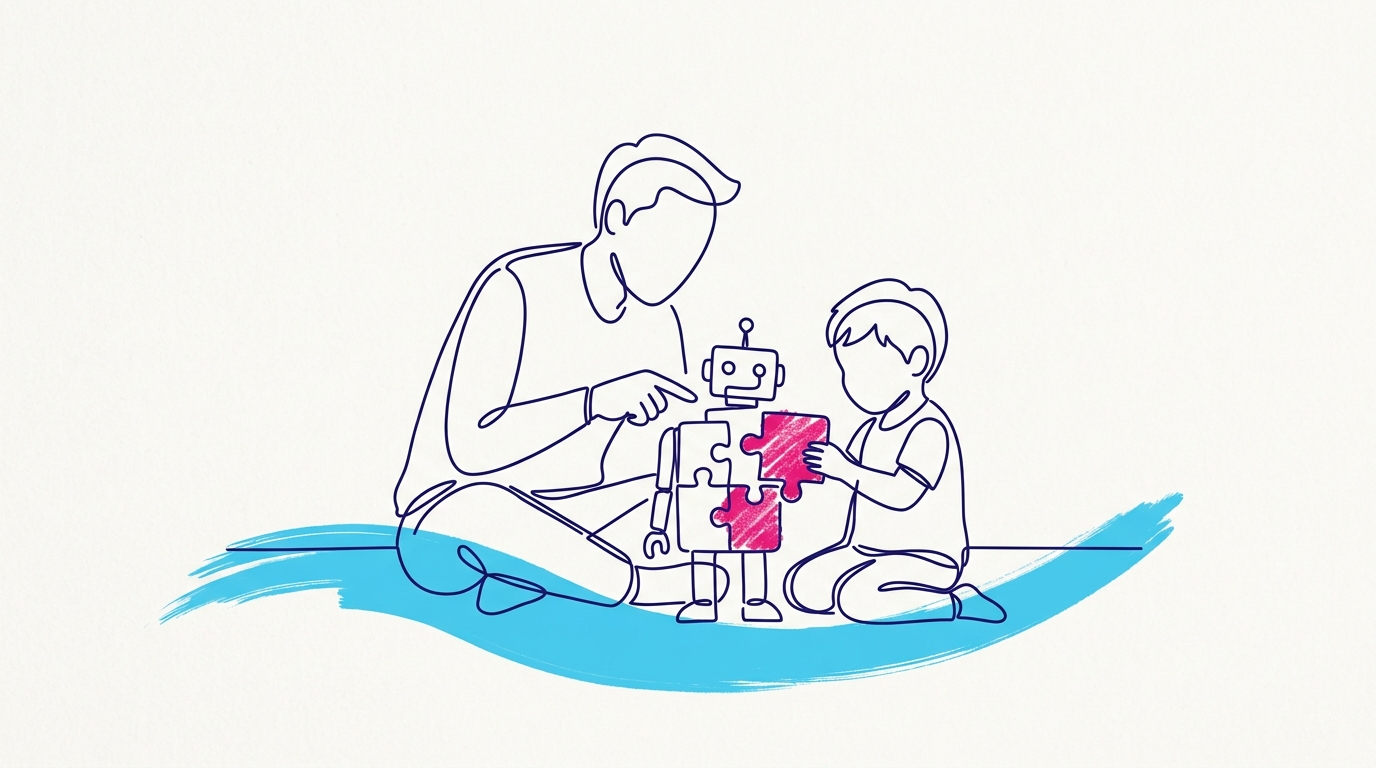
Some schools only offer robotics from middle school onwards, assuming younger children are not ready. Years of research — and classroom experience — tell a different story. Primary-school children are in a critical window for developing persistence, spatial reasoning, and creative problem-solving. Delaying exposure until age eleven or twelve means missing the years when these foundations form most naturally. Screen-free, hands-on kits designed for younger learners exist precisely to make robotics accessible and developmentally appropriate for children from age six upwards, without relying on screens or advanced coding skills.
3. Do projects start with a real problem?
Authentic robotics education is project-based: a genuine brief, a physical build, a working prototype, and a structured reflection on what succeeded and what failed. When school robotics consists mainly of worksheets, video tutorials, or one-off demonstrations — with nothing the child actually constructs and tests — it is missing the core of what makes the discipline valuable. The “productive struggle” of making something that does not work, diagnosing why, and fixing it is where the real learning happens. Children who navigate that process regularly grow into confident, adaptive thinkers. Children who only watch it do not.
These three questions are not meant to put schools on the defensive. Most educators want to offer richer programmes — they simply need the right tools, training, and support to do so.
How TokyLabs Can Help
At TokyLabs, our after-school and in-class programmes are built around exactly this kind of genuine, hands-on robotics. Our Tokymini kit was designed specifically for primary-school learners: screen-free, intuitive, and structured around project-based challenges that give every child a real sense of engineering agency. Teachers who complete our certification programme leave not just with knowledge but with a ready-to-use curriculum, live support, and the confidence to facilitate the kind of lessons that make a lasting difference. If your school — or your child’s school — is ready to move from “robotics on paper” to robotics that actually develops young minds, we would love to help. Visit tokylabs.com to learn more about our training and after-school programmes.
Make Your Business Online By The Best No—Code & No—Plugin Solution In The Market.
30 Day Money-Back Guarantee
Say goodbye to your low online sales rate!