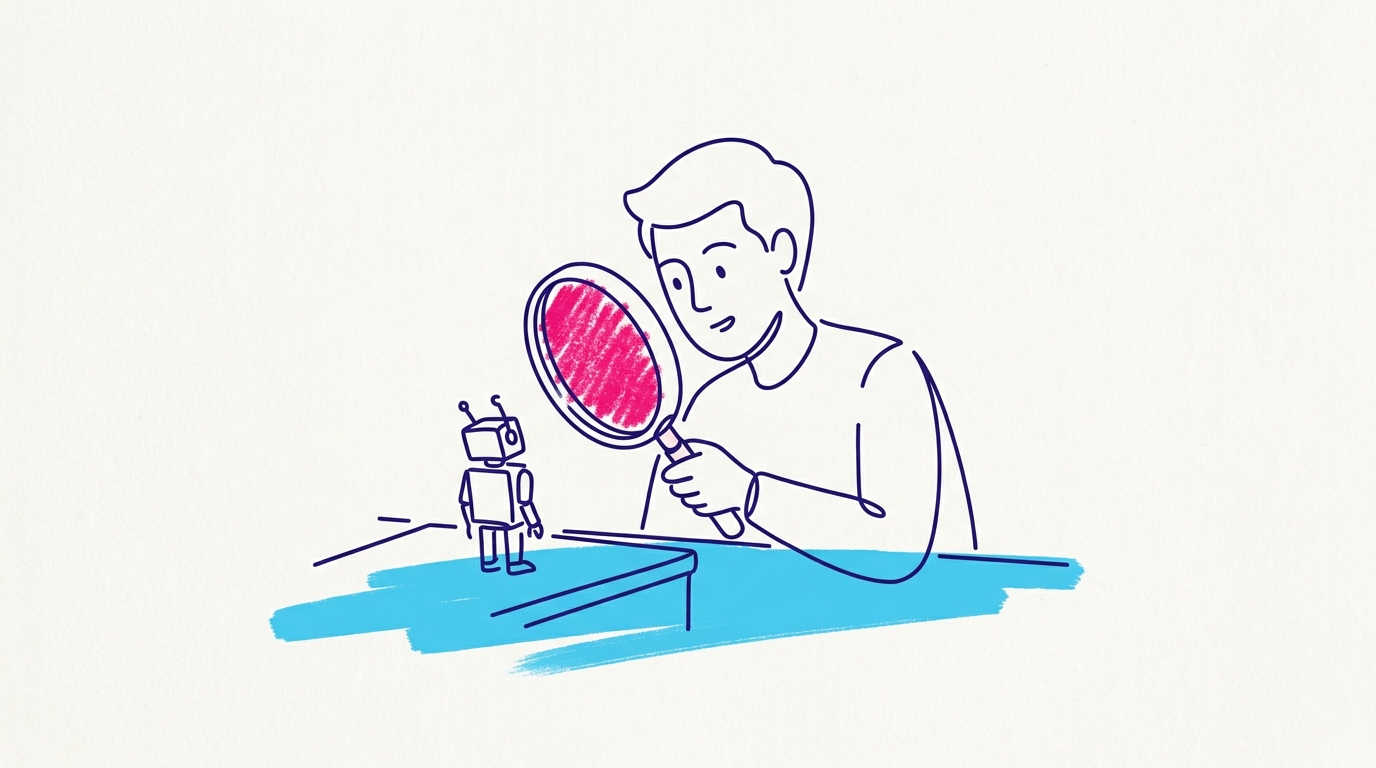


Why the Best STEM Classrooms Flip the Script on Homework
What if everything we know about homework is backwards? For generations, school has followed the same rhythm: a teacher explains a concept in class, then sends students home to practise it alone. It sounds logical — but for hands-on subjects like robotics, it is exactly the wrong way around.
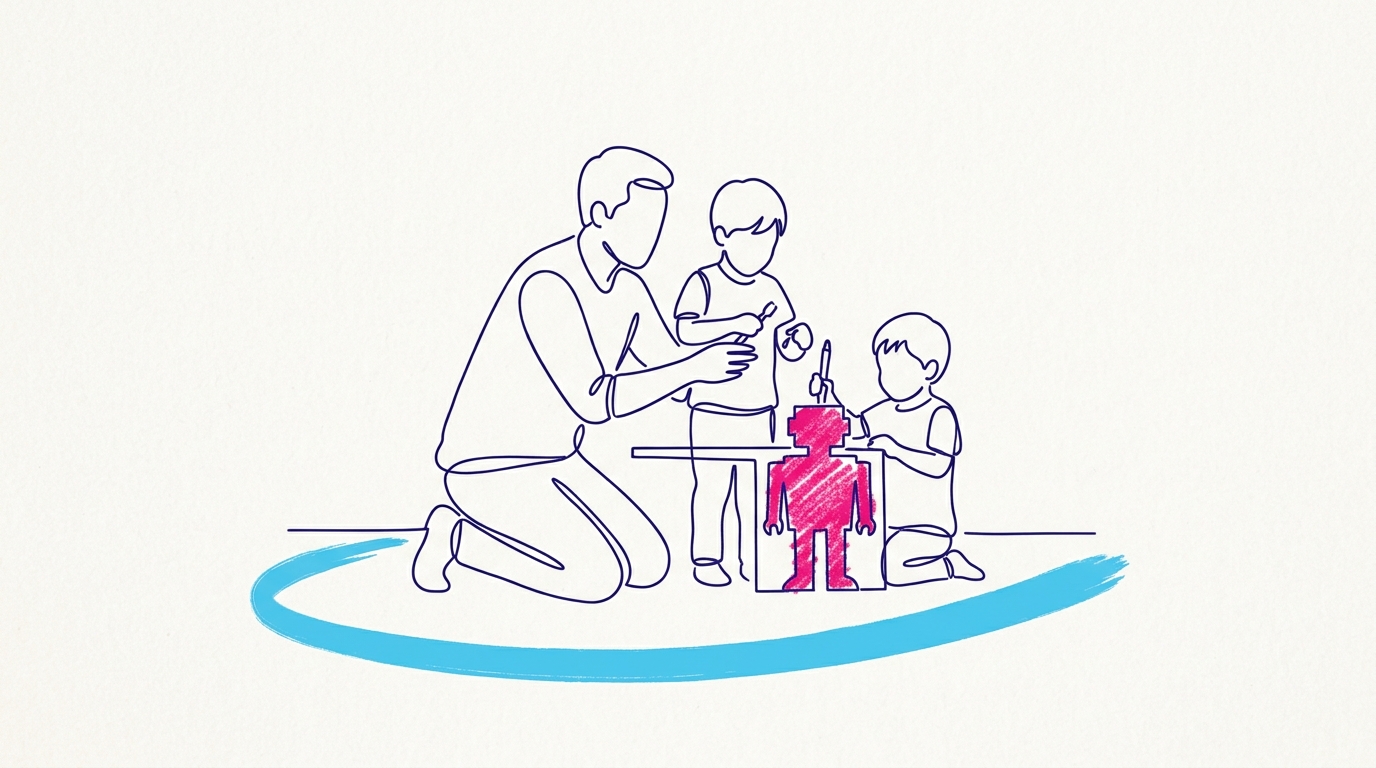
The flipped classroom model turns this structure on its head, and the results for young learners are striking. In a flipped classroom, students encounter new ideas before class — through short videos, readings, or AI-assisted resources they explore at their own pace. Then, when they walk through the school door, class time is freed up entirely for doing: building, experimenting, collaborating, and problem-solving together.
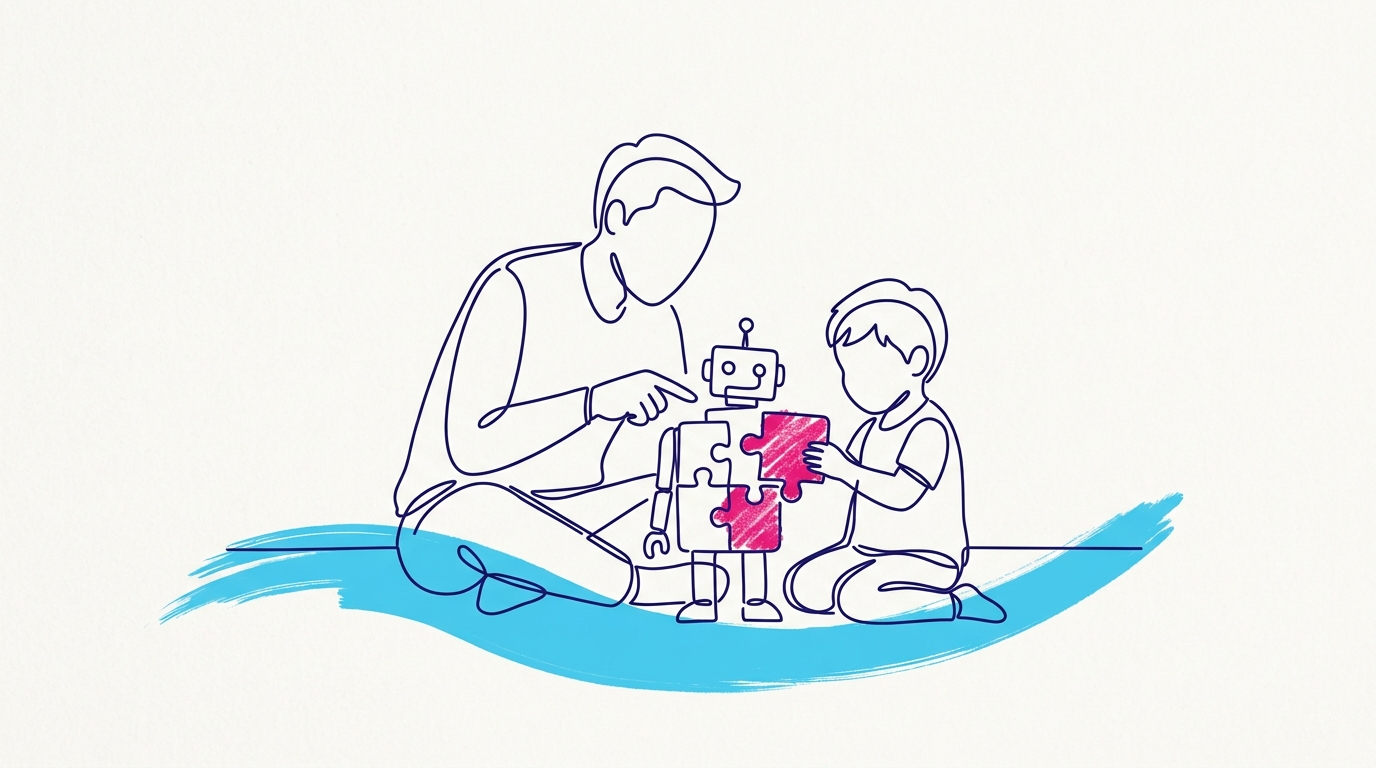
Robotics is the subject that fits this model most naturally. Unlike mathematics or grammar, robotics is inherently practical. You cannot truly understand how a sensor works by reading about it; you understand it by wiring one up, watching it fail, adjusting, and trying again. When children spend classroom time this way — hands busy, minds fully engaged — learning becomes something they remember for years rather than something they forget overnight.
The skills that emerge from this kind of learning go far beyond electronics. Research consistently shows that project-based, hands-on environments develop problem-solving resilience (children learn to embrace trial and error rather than fear mistakes), creative confidence (each build is a small act of invention), and collaborative intelligence (teams must communicate to make their robot actually work). These are the very skills that employers and researchers say will matter most in a world shaped by automation and AI — and they are skills that a traditional homework worksheet simply cannot build.
There is another, very practical benefit: in a flipped classroom, assessment happens through action, not a paper test. A teacher watching a group of eight-year-olds debug a misbehaving robot learns far more about their understanding than any exam could reveal. And because students demonstrate their knowledge by making something real, there is far less temptation — or opportunity — to lean on AI to do the work for them.
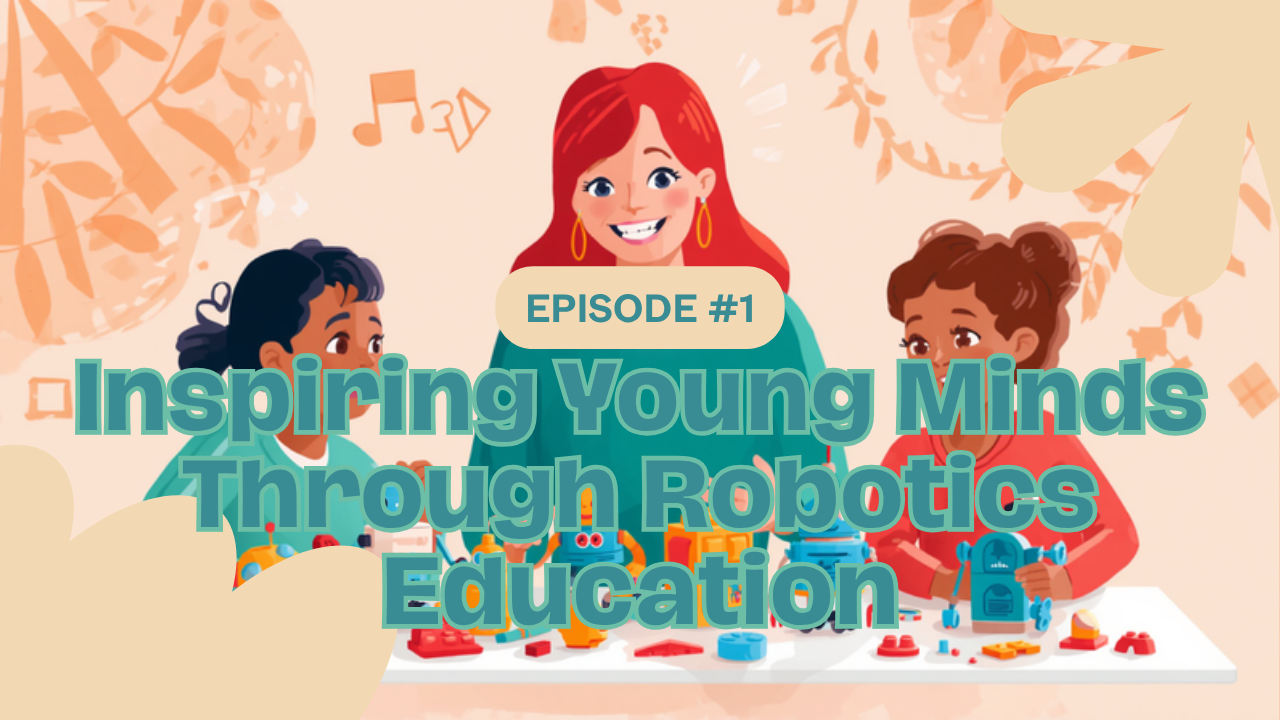
At TokyLabs, the flipped model is at the heart of how we train teachers. Our certification programme gives educators — regardless of their technical background — a step-by-step curriculum built around hands-on sessions, so that the time children spend in the robotics room is rich, active, and purposeful. Whether a school is running after-school clubs with Tokymini for younger students or Tokymaker sessions for secondary learners, the goal is always the same: turn class time into the best part of the day, the part where ideas become real. That is where learning sticks.
Make Your Business Online By The Best No—Code & No—Plugin Solution In The Market.
30 Day Money-Back Guarantee
Say goodbye to your low online sales rate!