Why 70% of Your Child's Robotics Class Should Have Nothing to Do With Robots
()Here is something that might surprise you: at TokyLabs, the most important thing happening in a robotics class has very little to do with robots. In fact, only about 30% of the learning time in our primary school programme focuses on electronics and programming. The other 70%? That belongs to creativity, critical thinking, problem-solving, and the kind of hands-on craftsmanship that builds a child's confidence from the inside out.
The 70/30 Principle — And Why It Changes Everything
Most people picture a robotics class as rows of children staring at screens, typing code, and debugging circuits. That image is outdated — and for young learners, it can actually be counterproductive. Research consistently shows that children aged six to nine thrive on play-based, tactile learning. When they are building something with their hands, they are not just having fun: they are developing fine motor skills, spatial reasoning, and the kind of resilient, trial-and-error thinking that no worksheet can replicate. The 70/30 structure was not a marketing choice. It came from years of classroom testing and a genuine question: what do children truly need to succeed in a future shaped by artificial intelligence? The answer was clear — the ability to think creatively, collaborate, and approach a problem with curiosity. Programming is a tool. The mindset is the superpower.
What Screen-Free Robotics Actually Looks Like — And Why It Matters
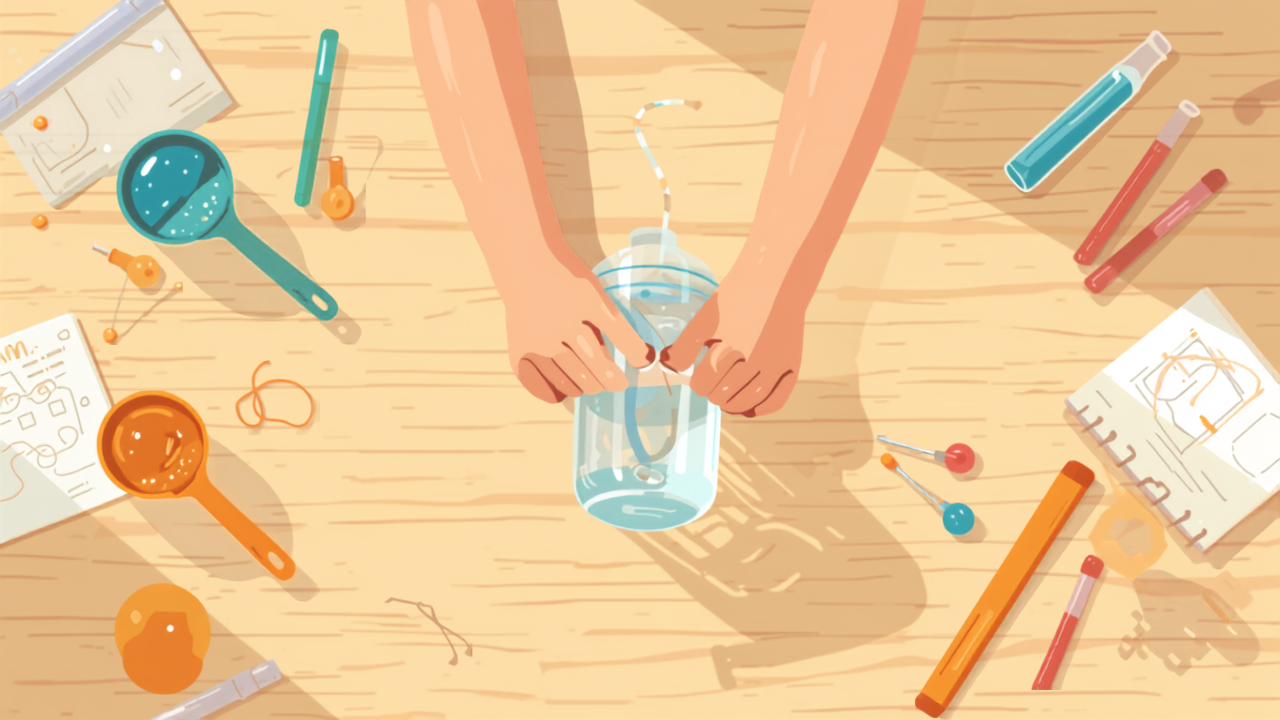
When young children learn robotics through physical puzzle pieces instead of touchscreens, something remarkable happens. Without the pull of a glowing display, they become more focused, more communicative with their teammates, and more willing to experiment. In screen-free robotics sessions, a child who "breaks" something does not get a frustrating error message — they see exactly what went wrong, adjust the pieces, and try again. That loop of observe, hypothesise, test, and revise is not a robotics skill. It is a life skill. Teachers who have switched to this approach report that even children who usually struggle to stay engaged in class become absorbed in building sessions. The tactile experience speaks a language young hands already understand. Practically speaking, parents can reinforce this at home by creating unstructured making time — cardboard, tape, string, and a simple challenge. The material does not matter. The freedom to build, break, and rebuild does.
Building Makers, Not Just Coders
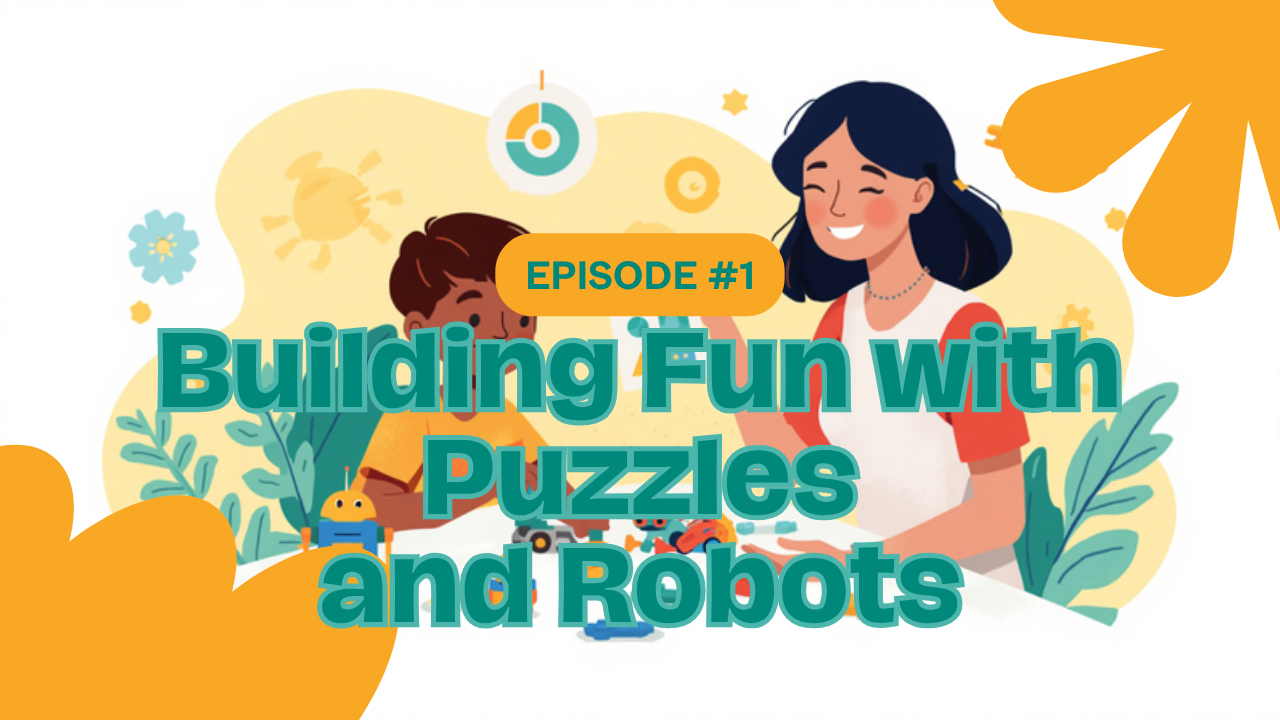
TokyLabs designed its Tokymini kit specifically for primary school students, and the 70/30 philosophy is baked into every session. The system is plug-and-play, with components that simply cannot be connected incorrectly — which means no frustrating troubleshooting and no moments where a child gives up because something does not work. Teachers with no technical background deliver these lessons every day, because the real expertise in the room is not in knowing the code — it is in knowing how to guide curious young minds. Every three sessions, a student completes a real, working project: something they built, something they programmed (with physical blocks), and something they are genuinely proud of. That sense of authorship — I made this — is the spark that keeps children wanting to learn more. If you are a teacher or school administrator exploring how to bring meaningful STEM into your programme without overwhelming your staff or your students, TokyLabs' after-school activities and teacher training are designed exactly for that starting point. You do not need a lab full of screens. You need curious kids, a confident guide, and the right tools for young hands.
Make Your Business Online By The Best No—Code & No—Plugin Solution In The Market.
30 Day Money-Back Guarantee
Say goodbye to your low online sales rate!