The Question Is the Lesson: How Robotics Is Helping Teachers Teach Differently
Here is something that might shift how you think about great teaching: the most powerful lesson your child will ever have might not be the one where the teacher had all the answers — it might be the one where the teacher asked exactly the right question.
Teaching Has Always Been About More Than Knowledge
For generations, we measured good teaching by how clearly facts were delivered. But today, any child can look up almost anything in seconds. What technology cannot do is teach a child why it matters to ask, or how to know which question to ask in the first place.
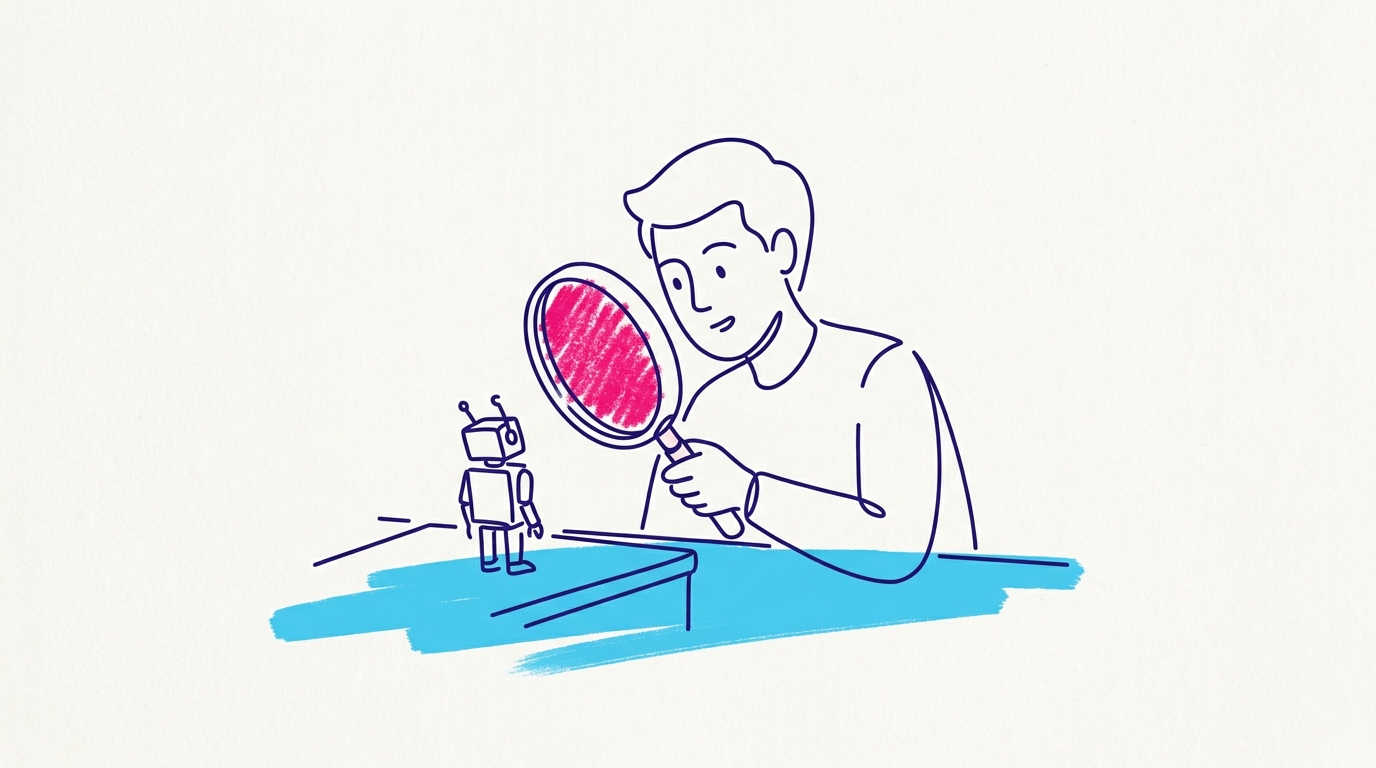
This is the quiet revolution inside robotics classrooms. In a well-run session, the teacher is not standing at the front with answers — they are beside a confused student asking, "What would happen if we tried it differently?" That single open question does more for a child's development than a lecture ever could. It says: your curiosity is welcome here, and working things out matters more than arriving quickly.
Why the Habit of Asking Questions Changes Everything
When children develop the habit of asking questions, something shifts. They stop accepting information passively and start engaging with it — testing assumptions, noticing contradictions, and growing comfortable with "I don't know yet." Research consistently links this inquiry mindset to stronger critical thinking, deeper confidence, and greater resilience.
A vivid example: a hackathon co-run by TokyLabs, centred on plastic pollution, where students were guided to ask "why?" at least three times before proposing any solution. Starting from ocean plastic, they traced back through beach cleanups, rivers, and eventually to consumer behaviour and policy. By the end, children had moved from surface fixes to systemic thinking — not because a teacher delivered the insight, but because a teacher kept asking the next question.
What Parents and Schools Can Look For
For parents, look beyond the number of robots or the glossiness of a curriculum. Ask whether children are given space to wonder out loud, get things wrong, and build on their own ideas. A classroom where a "silly question" is welcomed is a classroom where real learning is happening.
For schools, the best robotics teacher is not necessarily the one who knows the most about electronics — it is the one who knows how to hold back the answer just long enough for a child to find their own way there. That is a teachable skill, and it transforms an entire professional identity.
How TokyLabs Builds This In
At TokyLabs, Socratic dialogue is not an add-on — it is the foundation of everything we do. Our after-school programmes and certified educator courses, built around Tokymini for primary school and Tokymaker for older learners, centre on inquiry-driven project learning. We train educators to be curiosity-keepers: the people who know how to ask the question that makes a child's eyes light up. If you are a teacher wondering whether robotics is for you, the answer lies not in your technical background but in your willingness to be curious alongside your students.
Make Your Business Online By The Best No—Code & No—Plugin Solution In The Market.
30 Day Money-Back Guarantee
Say goodbye to your low online sales rate!