Nature's Hidden Engineers: What Sea Turtles Teach Kids About Sensors, Robotics, and Curiosity
A sea turtle hatches on a beach, crawls to the ocean, and then — without a map, a phone, or a satellite signal — navigates thousands of kilometres across open water, returning to the very same beach decades later to lay her own eggs. How? She reads Earth's magnetic field like a built-in compass. Engineers spent the better part of the twentieth century trying to replicate what she does instinctively. Nature, it turns out, has always been the world's most inventive engineer.
When Biology Becomes a Blueprint for Technology
The sensors inside modern robots owe more to the animal kingdom than most people realise. Sonar in submarines was inspired by bats and dolphins. The tiny hooks on Velcro were modelled on the burrs of a plant. Robotic arms that can reach around corners were designed by studying the flexible musculature of an octopus. This field — called biomimicry — is one of the most exciting frontiers in engineering today, and it starts with a deceptively simple question: How does nature solve this problem?
For children, this reframing is transformative. When a child learns that a sea turtle navigates by sensing magnetic fields, the world stops being a backdrop and starts being a classroom. Every animal becomes a lesson in physics, chemistry, or engineering. Every walk in the park becomes an opportunity to ask: "What problem is that creature solving? How does it do it? Could we learn from it?" This kind of observational curiosity — the ability to look closely and wonder purposefully — is one of the most valuable cognitive habits a young person can develop, and it transfers directly into scientific thinking, design, and innovation.
Bringing Nature's Ingenuity Into the Classroom and Home
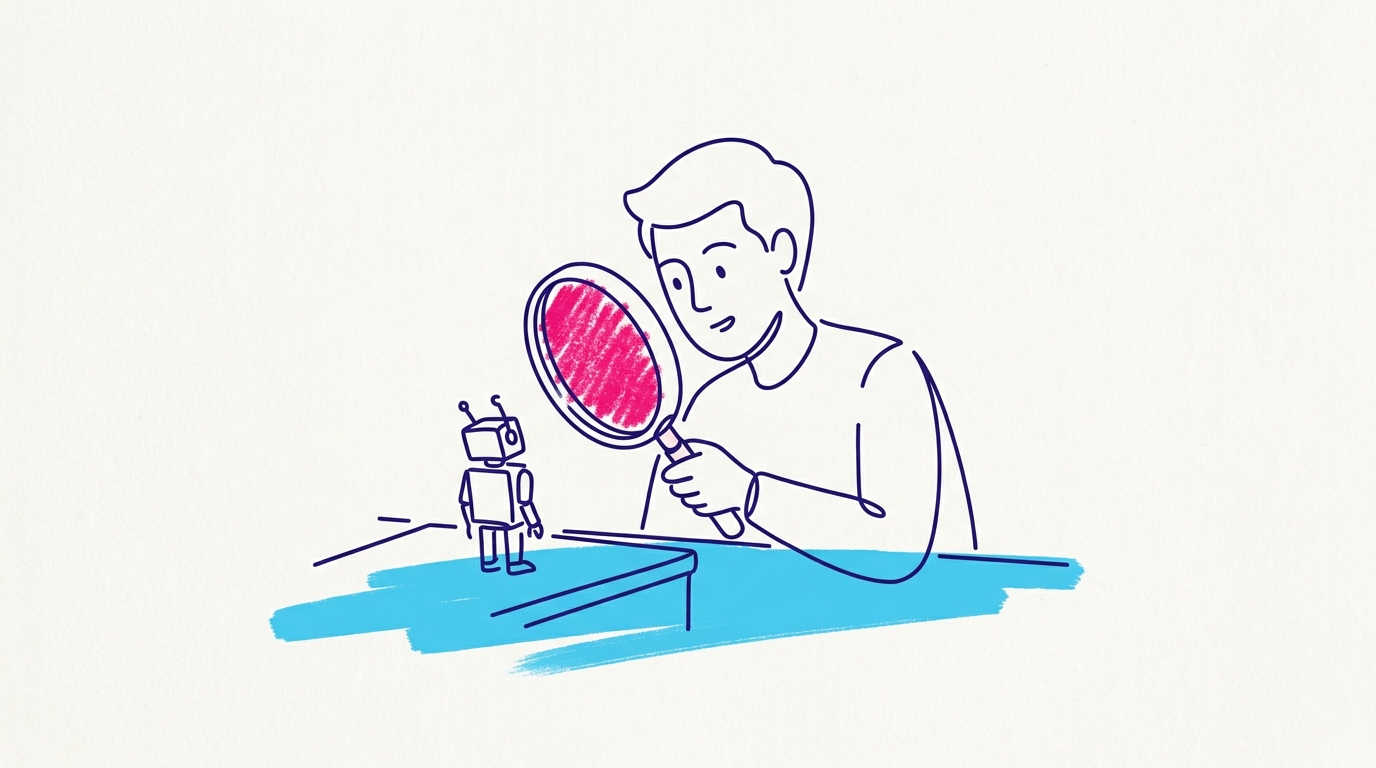
Parents and teachers do not need specialist equipment to spark this curiosity. Start a "biomimicry notebook" where your child sketches an animal and writes one thing it does that surprises them — then challenges them to imagine a technology that copies it. Ask: "If you were designing a robot that had to find its way home in the dark, which animal would you study first?" These questions do not need right answers. They need open minds. For older students, exploring how robotic sensors (ultrasound, infrared, magnetometers) map to animal senses is a wonderful bridge between biology and technology — two subjects that school timetables too often keep apart.
The Wonder That Drives Real STEM Learning
At TokyLabs, we believe that genuine curiosity is the engine of learning — and that the best STEM education begins not with a circuit board but with a question. Our after-school robotics programmes are designed around exactly this principle: get students wondering first, then give them the tools to explore their questions hands-on. When a child asks "Can a robot feel the Earth's magnetic field like a turtle does?" and then actually experiments with sensors on a Tokymaker kit, something clicks that no worksheet could produce. The natural world is full of engineering lessons. Our job — as parents, as teachers, as educators — is simply to point at the turtle and say: look how clever that is.
Make Your Business Online By The Best No—Code & No—Plugin Solution In The Market.
30 Day Money-Back Guarantee
Say goodbye to your low online sales rate!