From Templates to Blueprints: How Smart Robotics Teachers Adapt for Every Age
What if you could teach robotics to a seven-year-old and a twelve-year-old at the same time — the exact same project, the exact same materials — without either child feeling behind? Most teachers assume this is impossible. The best robotics educators do it every week.
One Lesson, Every Level
One of the most practical questions any teacher faces when setting up a robotics programme is how to handle the full range of students in a room. Different ages, different fine motor skills, different prior experience. The temptation is to design separate lessons for each level — but that is unsustainable. The answer is one excellent project with built-in flexibility.
Templates and Blueprints Side by Side
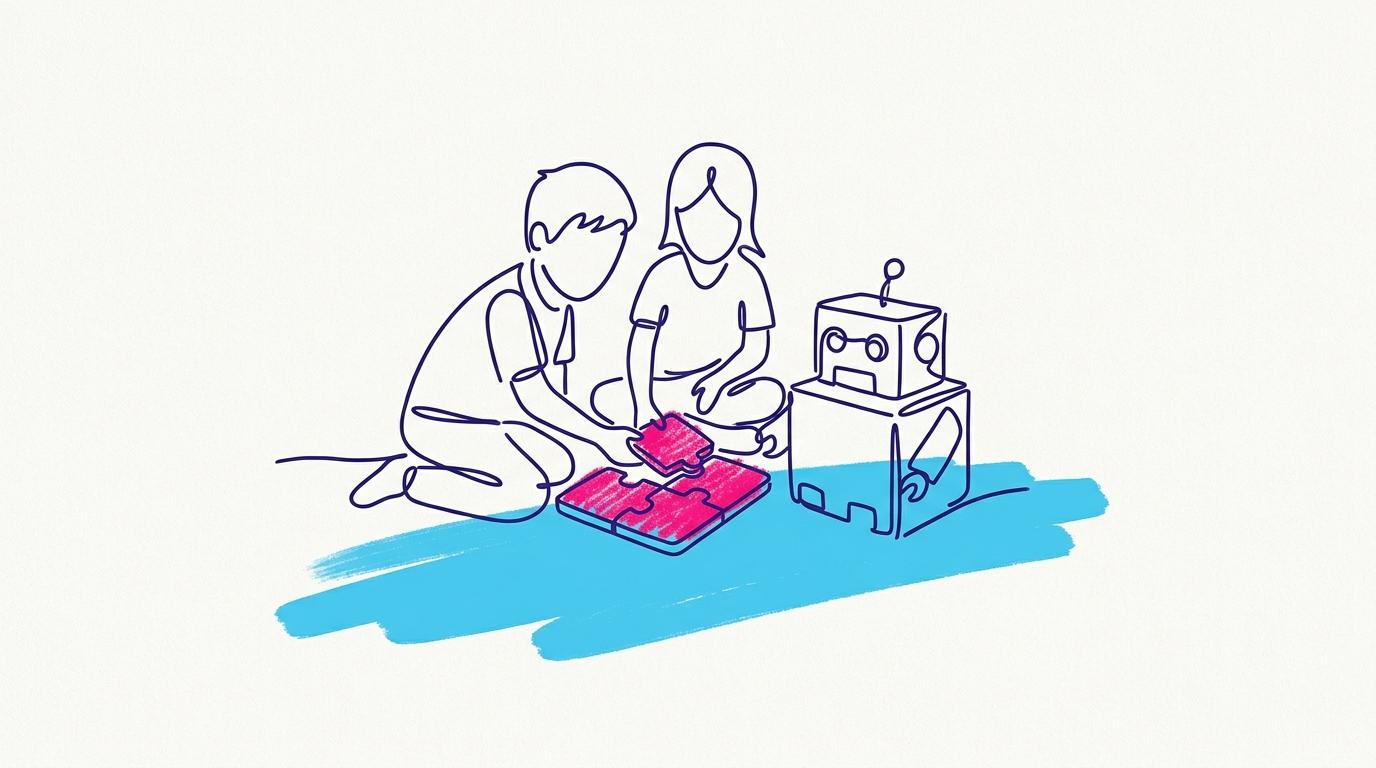
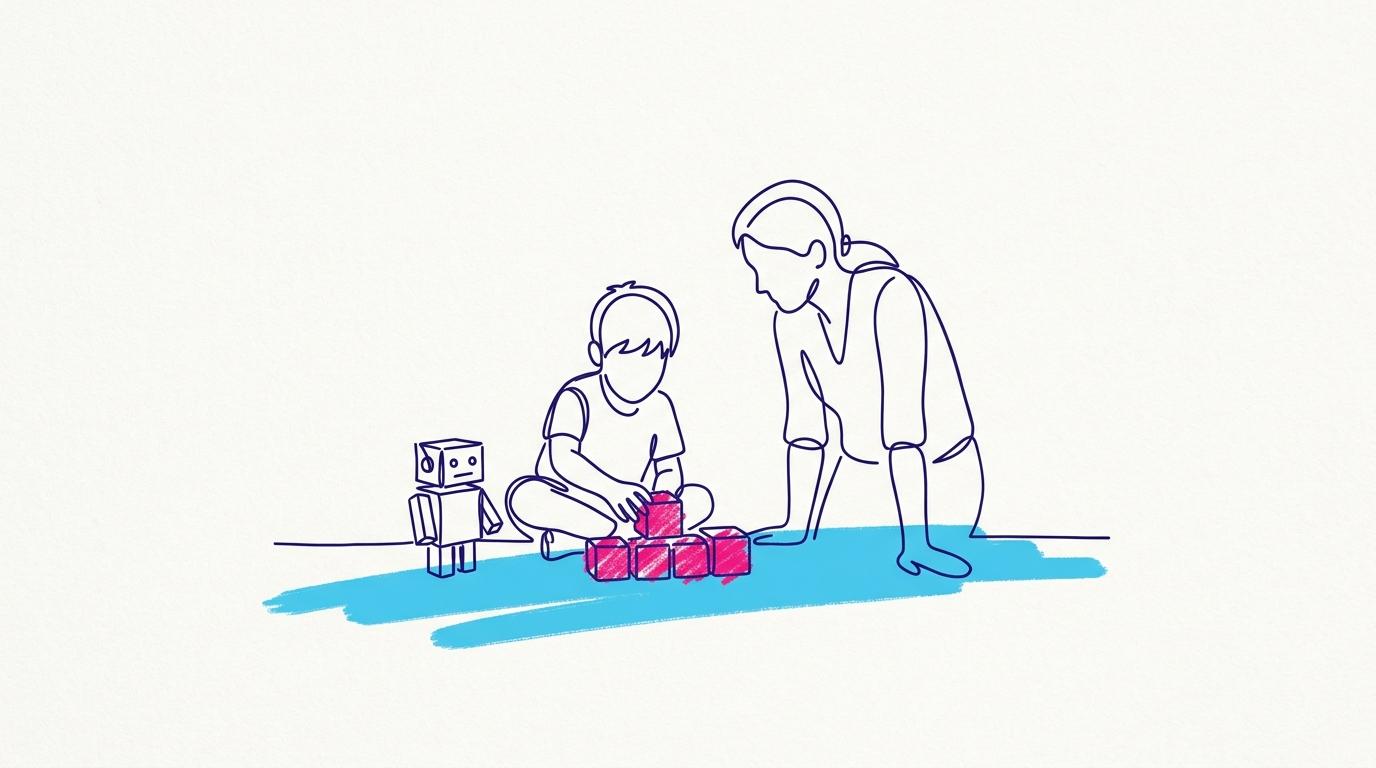
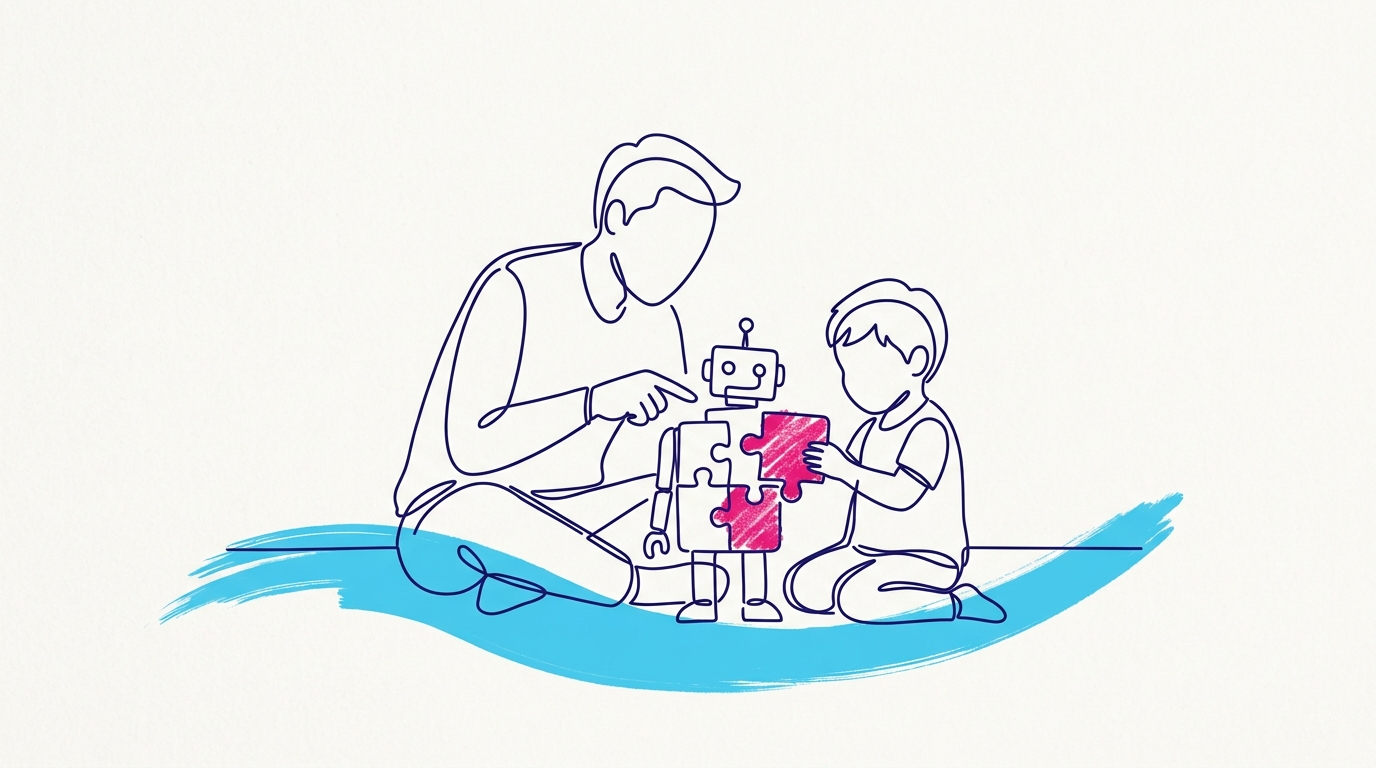
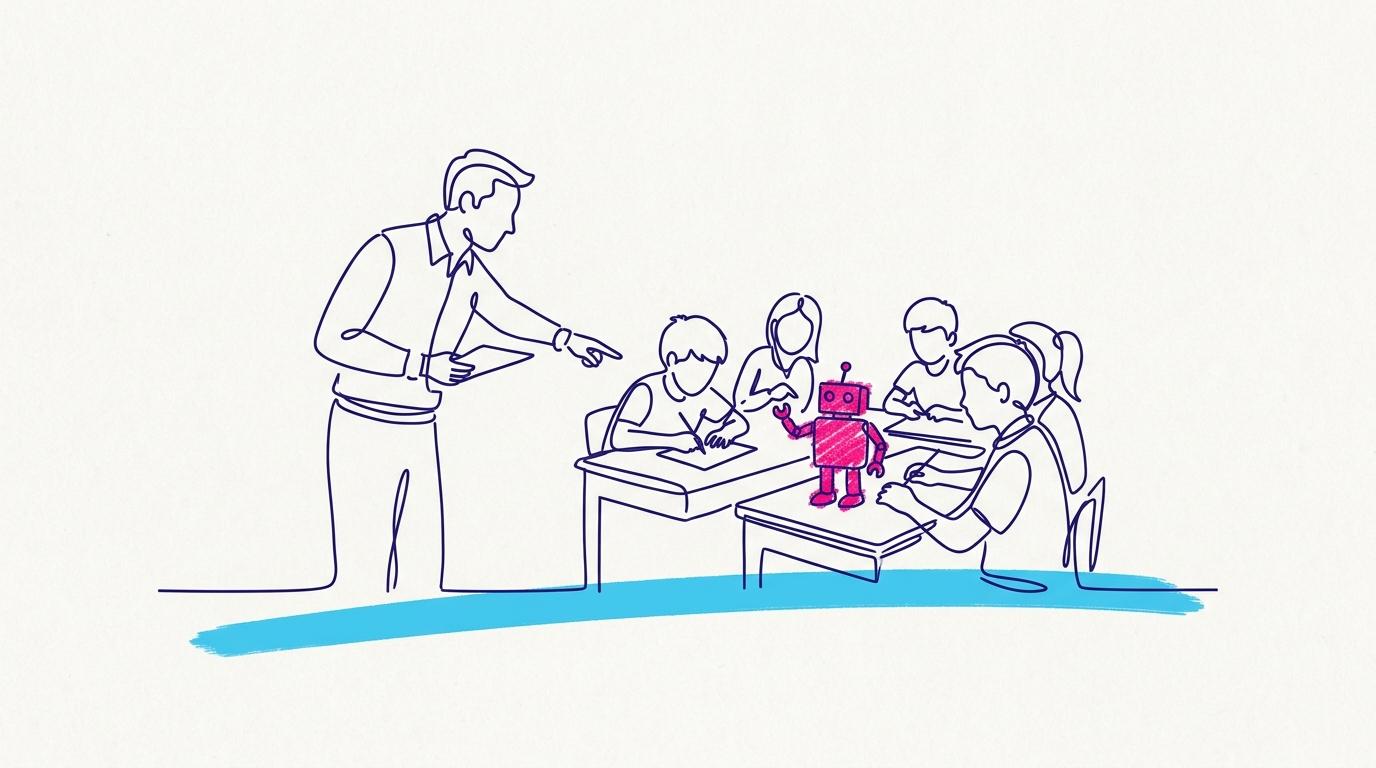
In a well-designed robotics classroom, a younger primary student and an older one can work side by side on the same build. The younger child gets a printed template — pre-drawn shapes they cut with adapted scissors and join with glue sticks and Blu-Tack, using a screwdriver only to poke the holes they need. Their older classmate receives a 2D blueprint with measurements: they draw the parts themselves, measure carefully, and assemble with nuts and bolts rather than glue. Both students are doing real robotics. Both feel appropriately challenged. The teacher moves between the groups, asking questions and guiding discovery rather than delivering two completely different lessons. This approach — differentiated instruction applied to hands-on building — is what separates inclusive robotics programmes from ones that only work for a narrow slice of students.
Why It Matters More Than the Build Itself
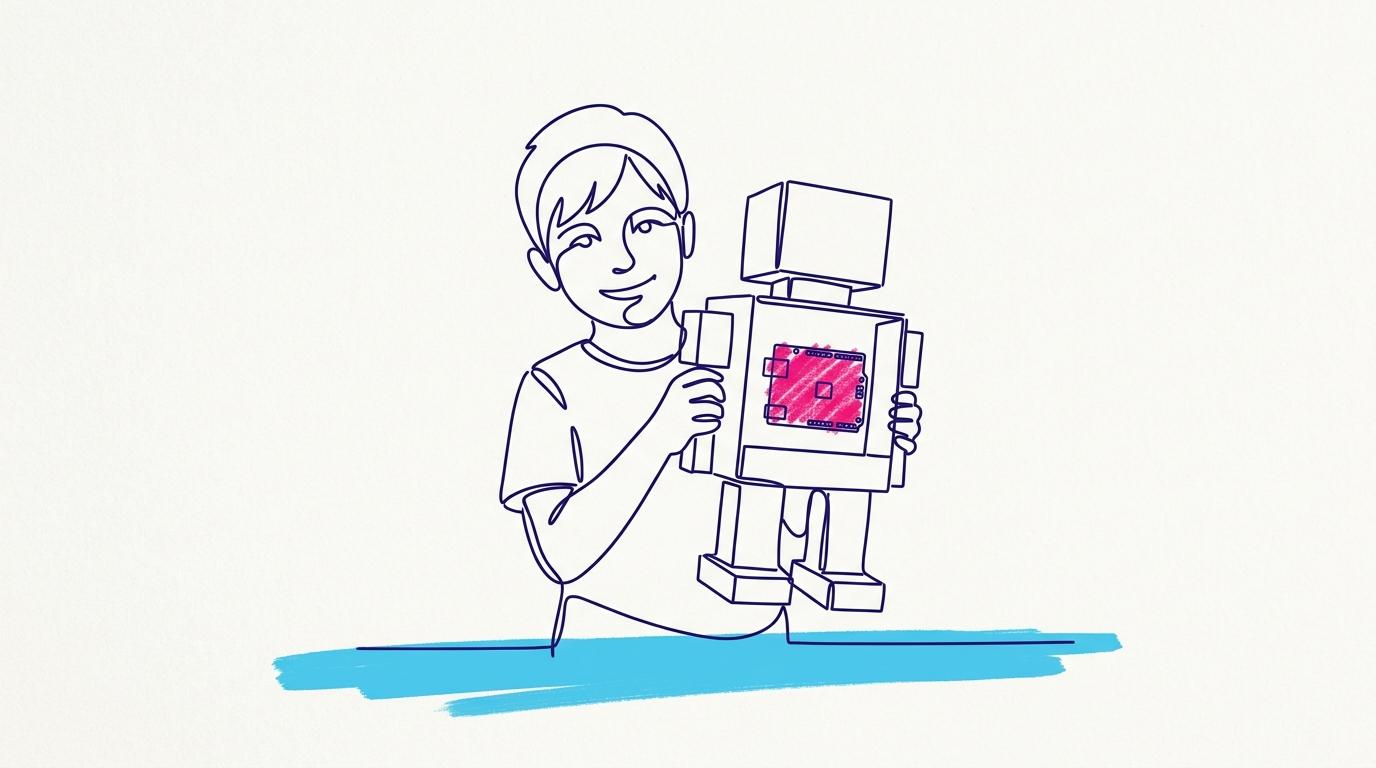
The deeper principle is one every good educator already knows: the goal is not for every child to do the same thing, but for every child to feel ownership over what they made. A six-year-old who cuts and glues a cardboard arm into place has solved a real problem with real hands. A ten-year-old who measures and assembles from a blueprint has done exactly the same. Both have pushed through frustration and arrived at the particular satisfaction of building something that works. That feeling is what makes hands-on STEM memorable — and what keeps children coming back.
How TokyLabs Makes This the Default
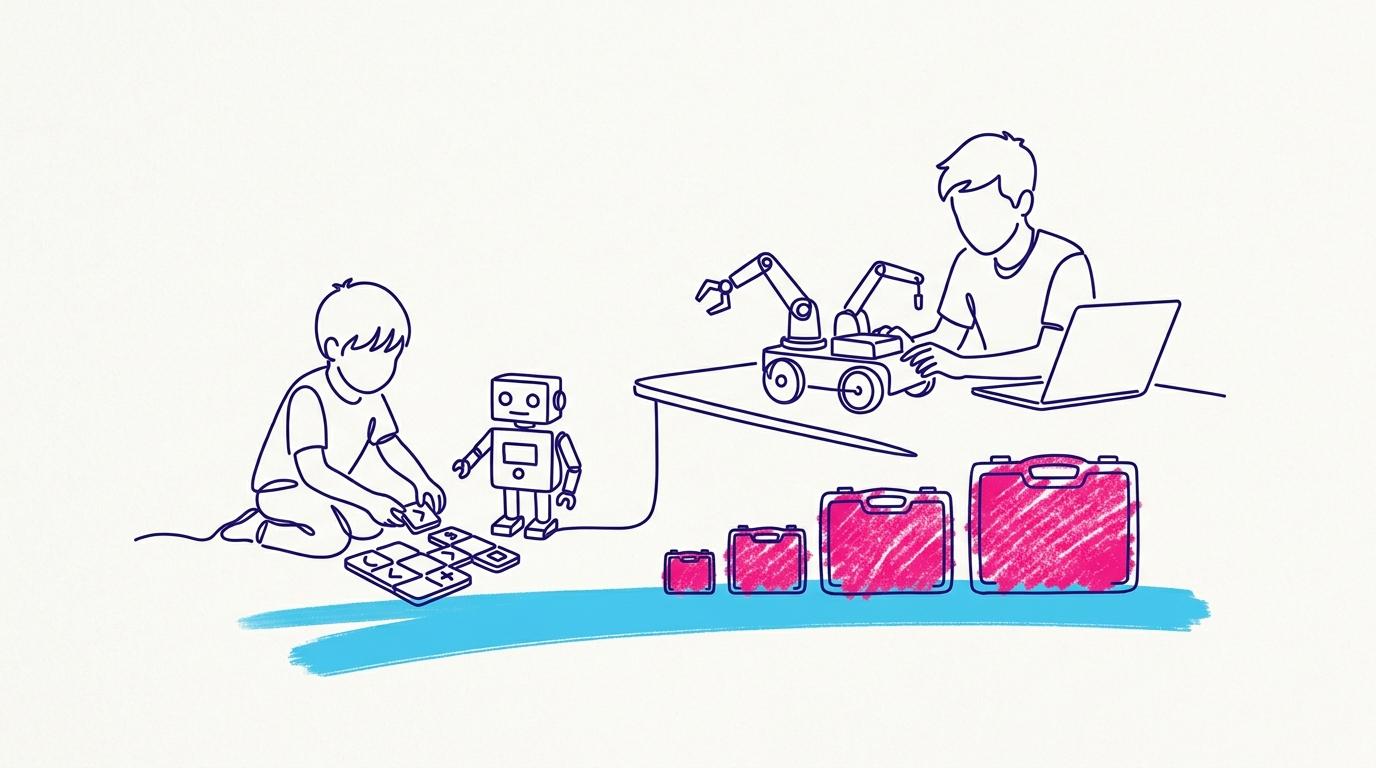
At TokyLabs, inclusive design runs through the entire curriculum. The Tokymini kit and its companion teaching methodology are built for the full primary school range, so a teacher running an after-school programme at an international school or introducing robotics to a mixed-age class for the first time gets a ready-made system — not a puzzle to solve. Every child an engineer, from day one. Visit tokylabs.com to learn more about how we support teachers across Bali and beyond.
Make Your Business Online By The Best No—Code & No—Plugin Solution In The Market.
30 Day Money-Back Guarantee
Say goodbye to your low online sales rate!